Geopolymer Technology

Material science for controlled ground stabilisation

Geopolymer technology is a scientifically validated ground improvement method used to stabilise weak soil, fill voids and restore support beneath floors, foundations and infrastructure. GEOLIFT applies controlled geopolymer injection to address settlement at its source, without excavation, demolition or unnecessary disruption.
What is a geopolymer?

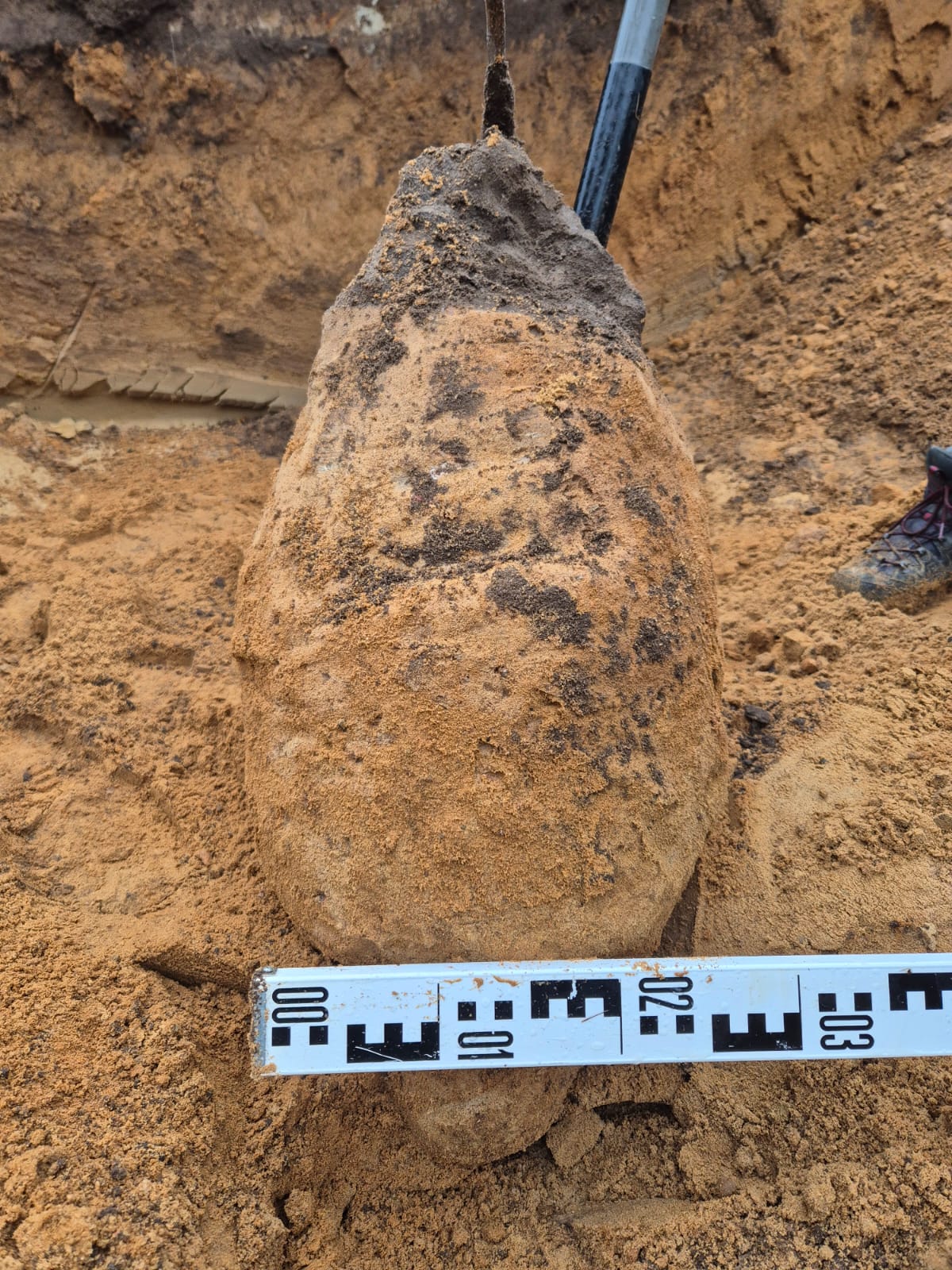
A geopolymer is a mineral-based, high-performance polymer formed through a controlled chemical reaction involving aluminosilicate compounds. Unlike traditional cement-based materials, geopolymers do not rely on hydration. Their structure is formed through polymerisation at the molecular level.

This results in a material that:

  • Develops strength rapidly
  • Maintains dimensional stability
  • Resists chemical and biological degradation
  • Performs reliably in variable environmental conditions

GEOLIFT geopolymer materials are formulated for subsoil interaction, void filling and load transfer — not surface construction.

Why geopolymer technology is used for ground stabilisation

Most settlement problems are caused by loss of bearing capacity in the ground, not by failure of the surface itself. Traditional repair methods often address visible symptoms while leaving the weak soil or voids beneath the structure unchanged.

Geopolymer technology addresses the problem at its source by:

  • Improving soil stiffness and density
  • Filling voids and weak zones beneath structures
  • Restoring more uniform load distribution
  • Reducing the risk of further consolidation and differential settlement

The result is ground improvement, not cosmetic repair.

Geopolymer behaviour in the ground

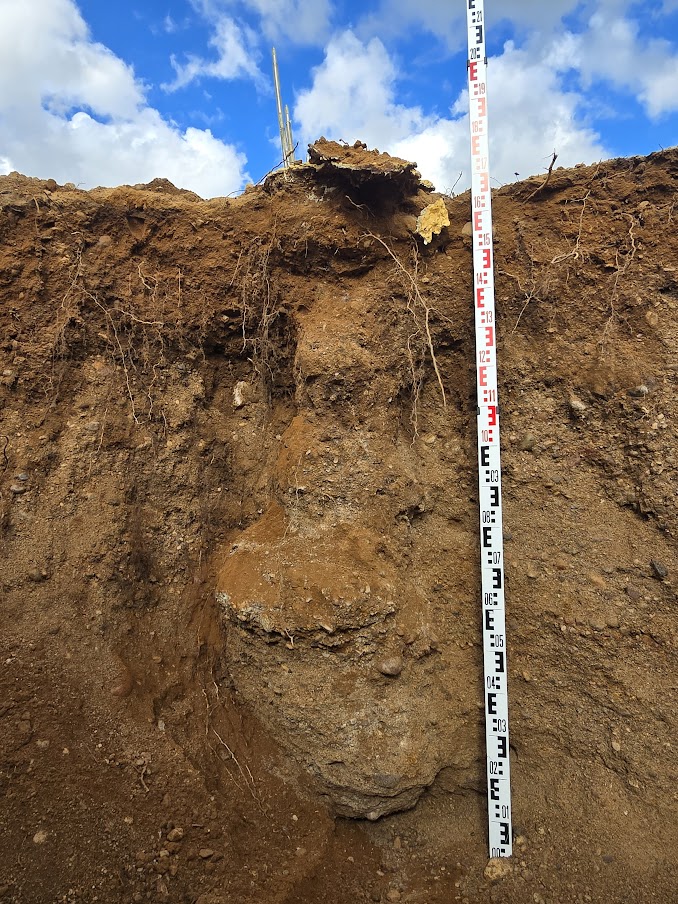
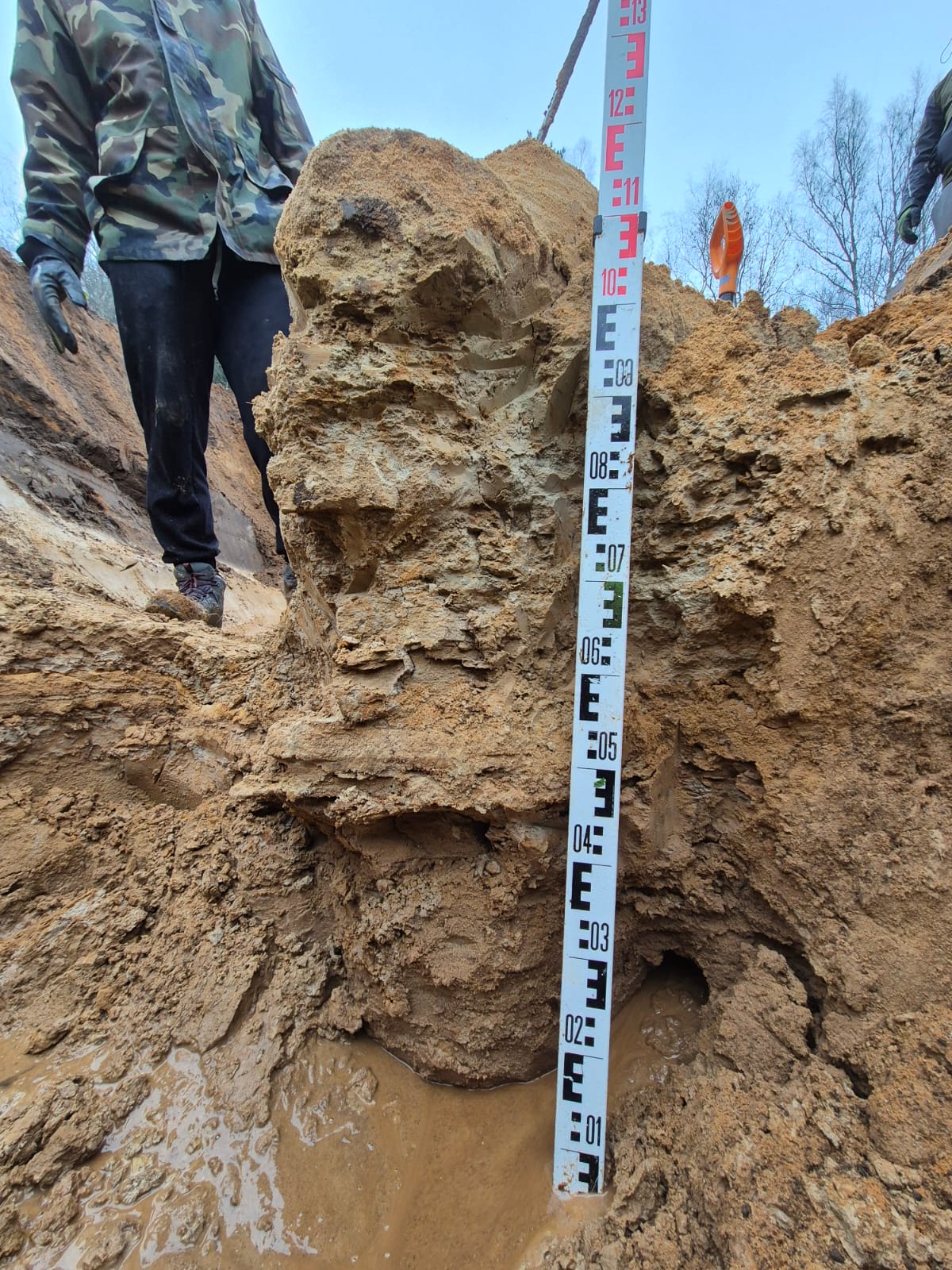
When injected beneath a structure, the geopolymer expands in a controlled and predictable way. This expansion performs several functions at the same time:

  • Soil densification — loose or compressible ground is compacted
  • Void filling — cavities and poorly supported zones are filled
  • Support restoration — contact between the ground and structure is improved

After curing, the geopolymer forms a stable, inert material that works together with the surrounding soil to support structural loads.

Mechanical performance and strength

Independent laboratory testing and field measurements show that geopolymer-treated zones can:

  • Achieve compressive strength suitable for structural and traffic load conditions
  • Maintain performance under repeated loading and vibration
  • Provide rapid load-bearing performance after curing

Unlike cementitious grouts, geopolymer materials cure rapidly and do not rely on long-term hydration to achieve functional strength.

Chemical and environmental resistance

Scientific degradation studies show that geopolymer materials:

  • Resist exposure to fuels, oils and de-icing salts
  • Resist biological activity, including fungi and microorganisms
  • Remain stable under moisture fluctuations and temperature variation

This makes geopolymer technology suitable for industrial, infrastructure and transport environments where exposure conditions are demanding and maintenance access may be limited.

Research-backed and field-proven

GEOLIFT geopolymer technology is supported by:

  • Independent laboratory testing
  • Long-term field performance monitoring
  • Continuous research and development in cooperation with universities and research institutions, including VILNIUS TECH

This combination of research and field application helps ensure that tested material performance translates reliably to real site conditions.

Precision and controllability

Geopolymer technology allows high control during application. Material behaviour, expansion rate and injected volume are managed throughout the process to achieve the required ground improvement and structural response.

This controllability enables:

  • Millimetre-level structural lifting where required
  • Targeted treatment of specific weak zones
  • Adaptation to variable soil conditions within the same structure

Precision is not a by-product. It is one of the defining characteristics of the technology.

The role of GEOLIFT

Geopolymer technology alone does not guarantee results. Performance depends on engineering design, material selection and execution control.

GEOLIFT applies geopolymer technology as part of an integrated engineering process, ensuring that:

  • Material properties match soil conditions
  • Injection parameters are engineered, not improvised
  • Ground improvement is monitored and verified during execution

This discipline is what turns a material into a reliable solution.

A technology built for long-term performance

Geopolymer technology provides a durable, precise and environmentally responsible approach to ground stabilisation. When applied correctly, it can deliver long-term structural support without excavation, demolition or unnecessary disruption.
GEOLIFT applies this technology with the control, expertise and scientific understanding required to make it perform consistently and predictably.

Request a technical consultation

"*" indicates required fields

This field is for validation purposes and should be left unchanged.
Drop files here or
Accepted file types: jpg, png, jpeg, pdf, Max. file size: 50 MB.