Warehousing and logistics facilities depend on stable, level floors for forklifts, pallet racking, automated systems and continuous traffic. GEOLIFT stabilises weak ground beneath warehouse floors using controlled geopolymer injection, helping reduce settlement, improve floor performance and minimise operational downtime.
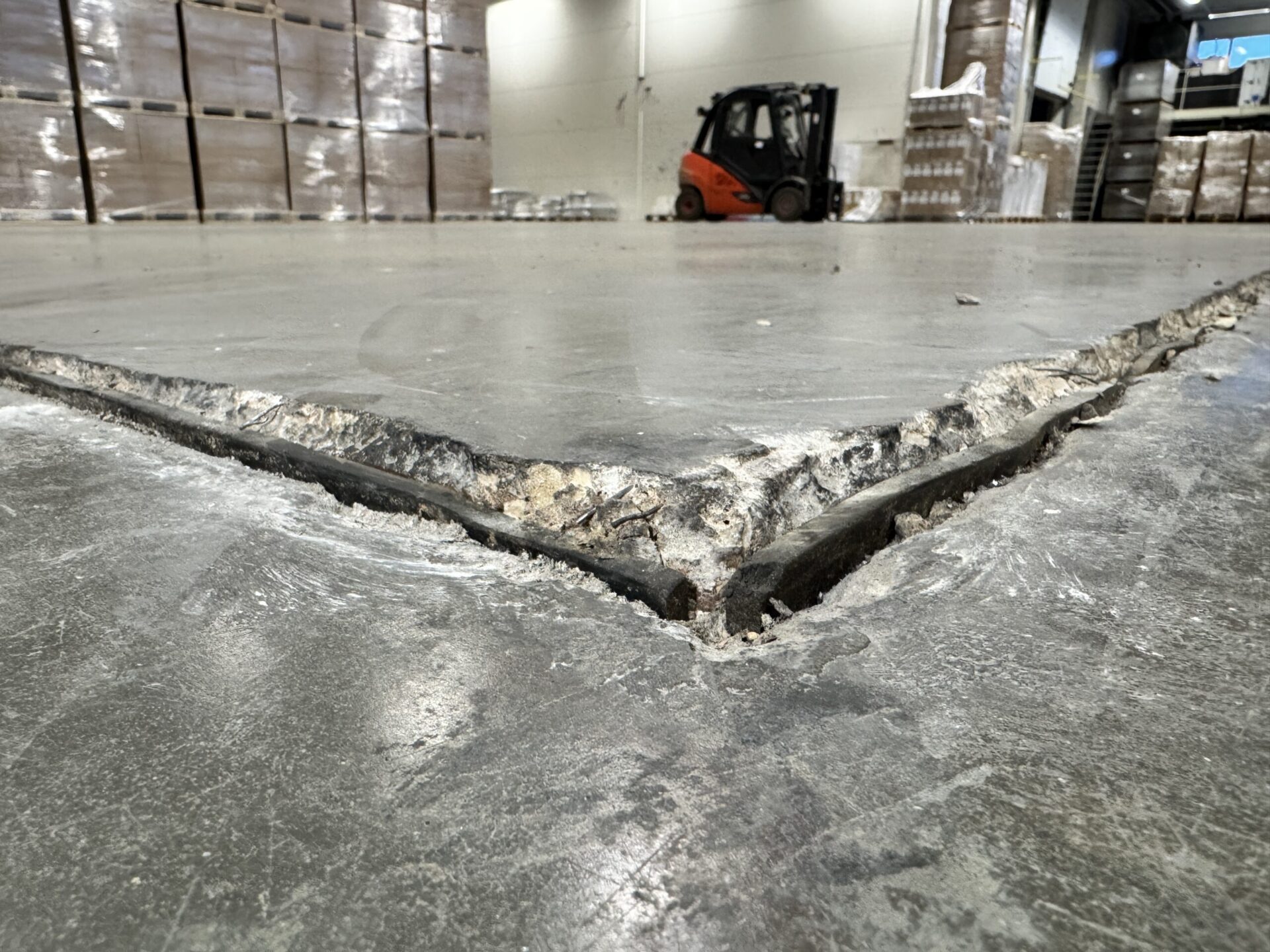
Typical root causes of warehouse floor settlement
- Insufficiently compacted subsoil or backfill, especially around trenches, service routes, dock levellers and phased construction zones
- Weak or compressible soil layers, such as peat, silt, mud or soft clay
- Loss of ground support due to water, including leaking services, poor drainage, groundwater fluctuation or long-term moisture migration
- Progressive consolidation under heavy static or dynamic loads, for example beneath pallet racking, columns, automated systems and traffic aisles
- Vibration and cyclic loading from forklifts and automated vehicles, which can gradually densify loose soils unevenly over time
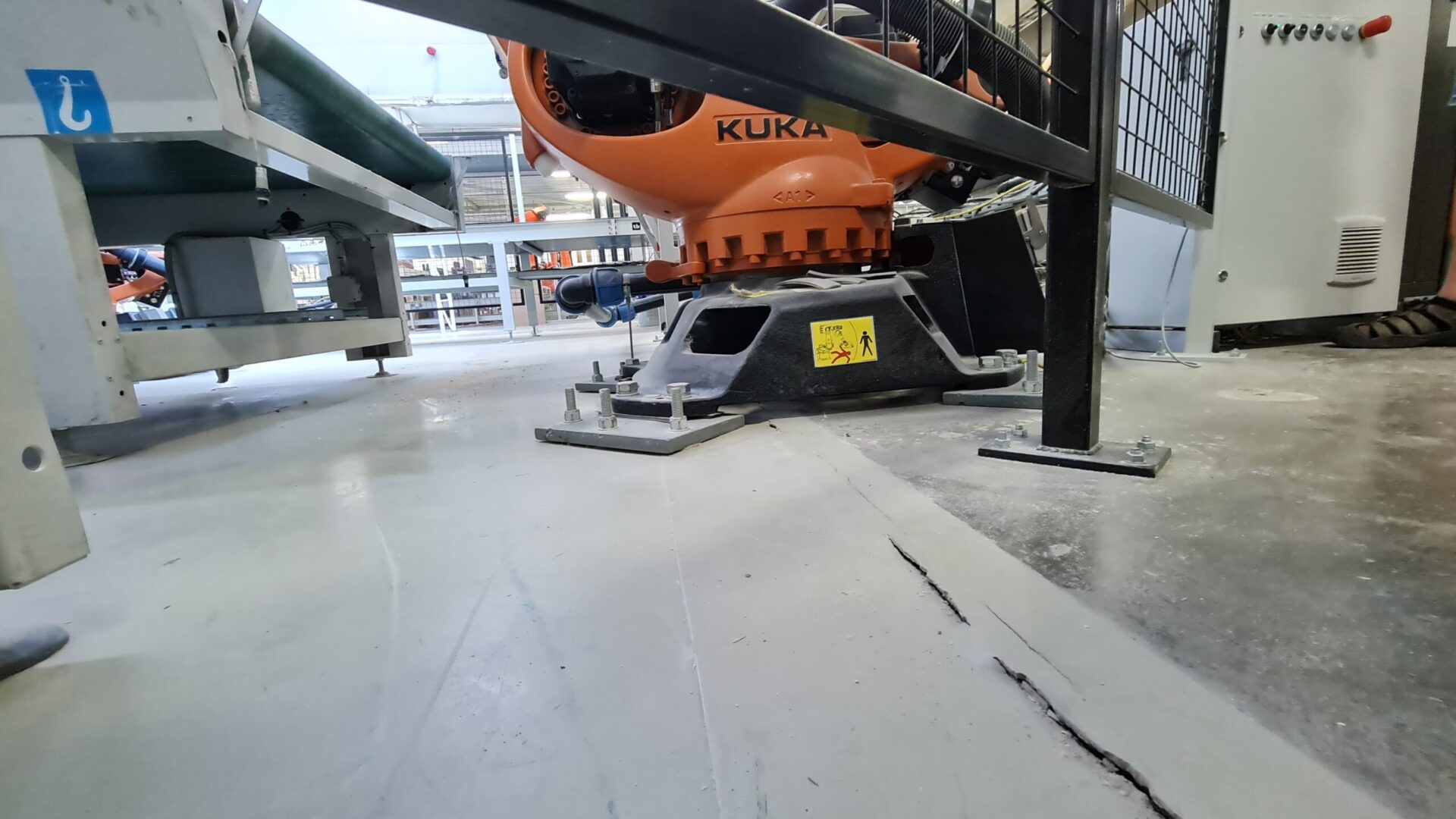
Visible symptoms inside logistics facilities
- Uneven floor levels and reduced floor flatness
- Cracking, joint separation, spalling and repeated joint repairs
- Rocking or pumping floor sections under forklift and vehicle traffic
- Localised depressions near docks, doorways, drains, rack bases or expansion joints
- Increased safety risks, reduced automation accuracy, equipment misalignment and operational inefficiency
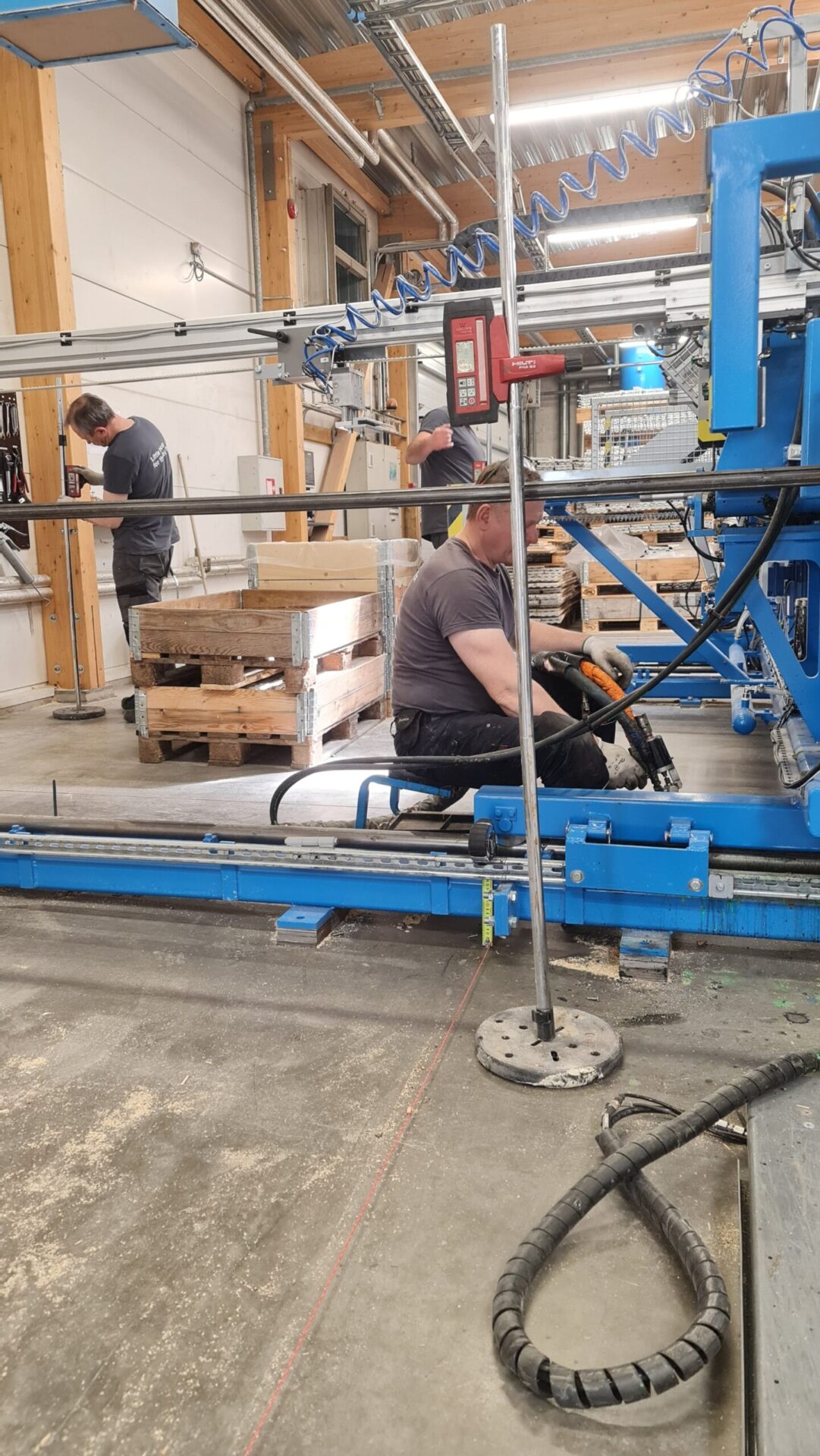
GEOLIFT methodology
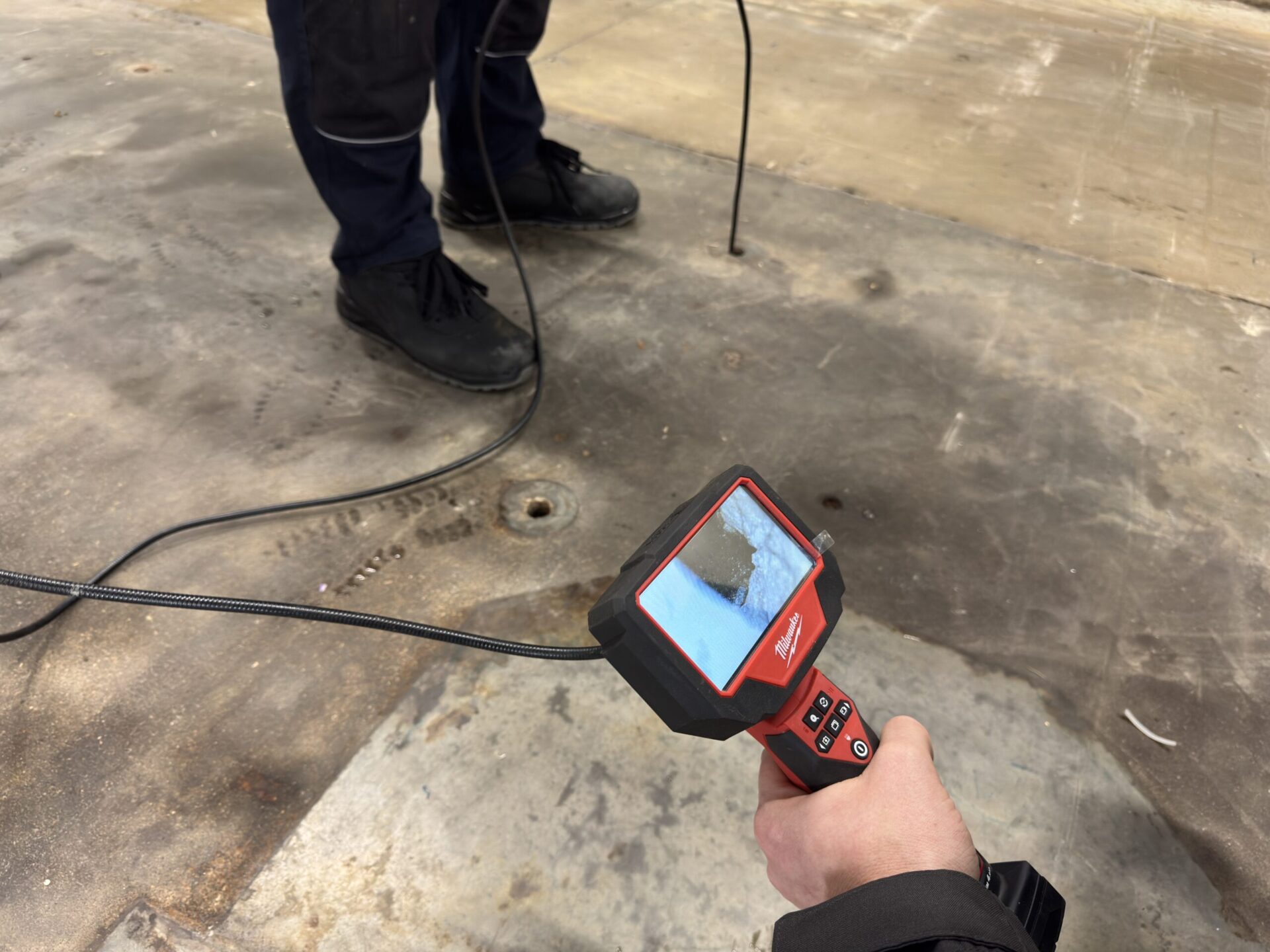
Survey and root-cause investigation
- Technical assessment of visible damage, floor levels, loads, soil behaviour, moisture effects and operational constraints to identify the underlying cause of movement.
Engineering review and solution selection
- GEOLIFT engineers determine whether settlement is caused by voids, weak ground, poor compaction or water-related loss of support, then define the appropriate stabilisation and lifting strategy.
Precision geopolymer injection
- Engineered geopolymer is injected through small access points to fill voids, strengthen weak ground and restore more uniform load-bearing support.
Controlled floor lifting when required
- Where needed, settled floor areas are gradually re-levelled in a controlled way to reduce additional stress on racking, automated systems and surrounding structures.
Completion and rapid return to service
- Injection points are sealed, and operations can usually continue or resume quickly without demolition or floor replacement.
Why a root-cause approach matters in logistics environments
- Prevents repeated repairs that only address visible damage
- Ensures the correct method and material are used for the specific ground problem
- Reduces long-term maintenance, safety risks and operational disruption
- Avoids unnecessary excavation or over-engineered reconstruction
- Supports durable, predictable performance under continuous logistics loads
GEOLIFT solutions are applied in:
- Warehouses and logistics centres
- Distribution hubs and fulfilment centres
- Automated storage and racking facilities
- Cold storage and temperature-controlled warehouses
- Heavy-duty floors in transport and service areas
Process
Planned around warehouse operations and downtime
Every warehouse floor repair project starts with a technical assessment of floor movement, racking loads, traffic routes, automation requirements and site constraints. GEOLIFT then defines the injection strategy and carries out controlled geopolymer injections to stabilise the ground and restore floor support with minimal disruption to operations.
-
1
Technical assessment
We review floor levels, visible damage, load zones, traffic routes and operational constraints. -
2
Stabilisation plan and estimate
We define the injection strategy, work zones, expected outcome and project cost. -
3
Floor stabilisation and repair
Controlled geopolymer injections are carried out to fill voids, strengthen weak ground and improve floor performance.
Planned to minimise downtime and keep logistics operations moving.
Request a warehouse floor stability assessment
"*" indicates required fields