
Historic buildings, monuments and protected structures require a careful approach to settlement repair. GEOLIFT provides minimally invasive heritage foundation stabilisation and precision lifting using controlled geopolymer injection, helping strengthen weak ground without excavation, vibration or heavy structural intervention.
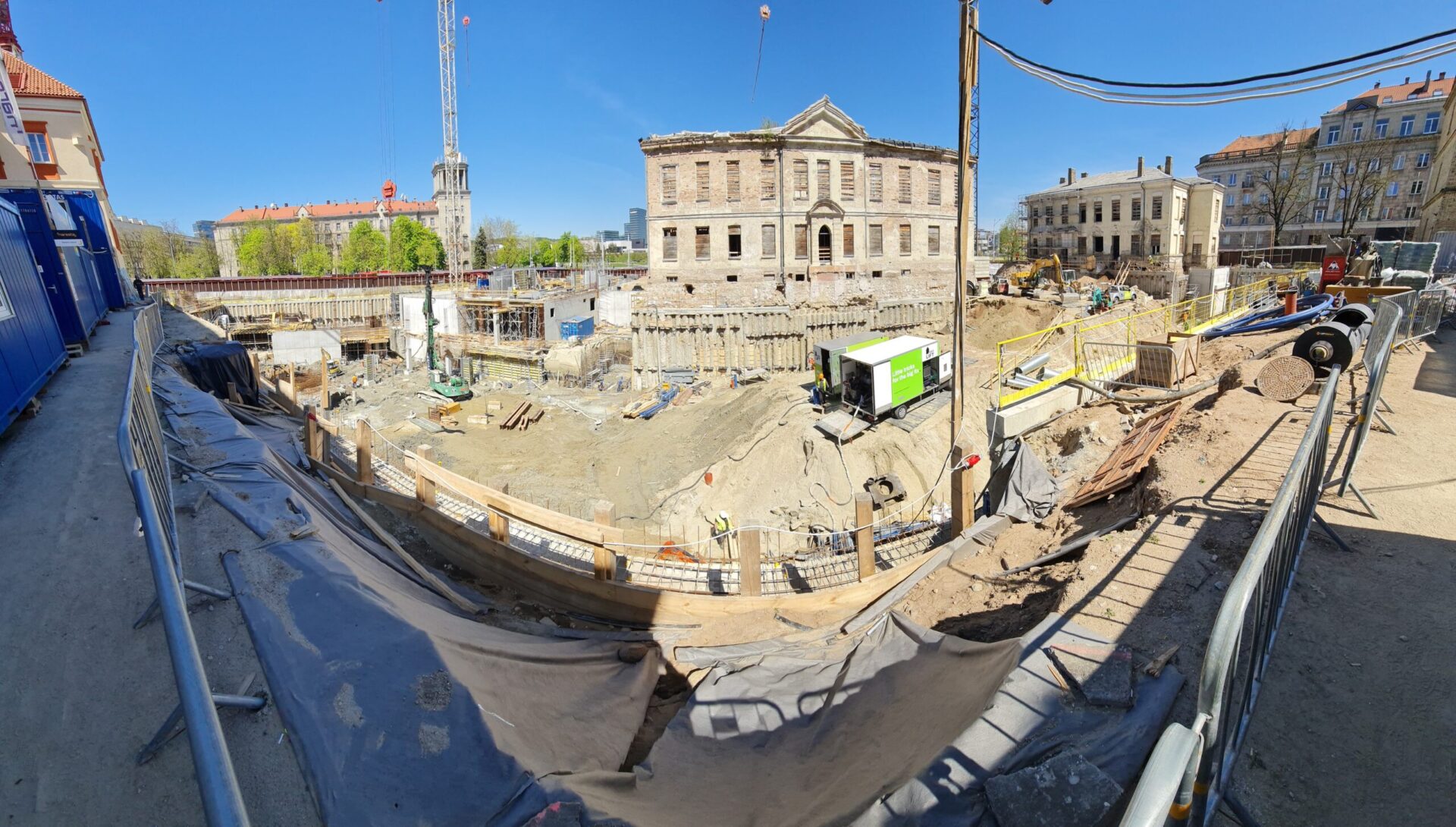
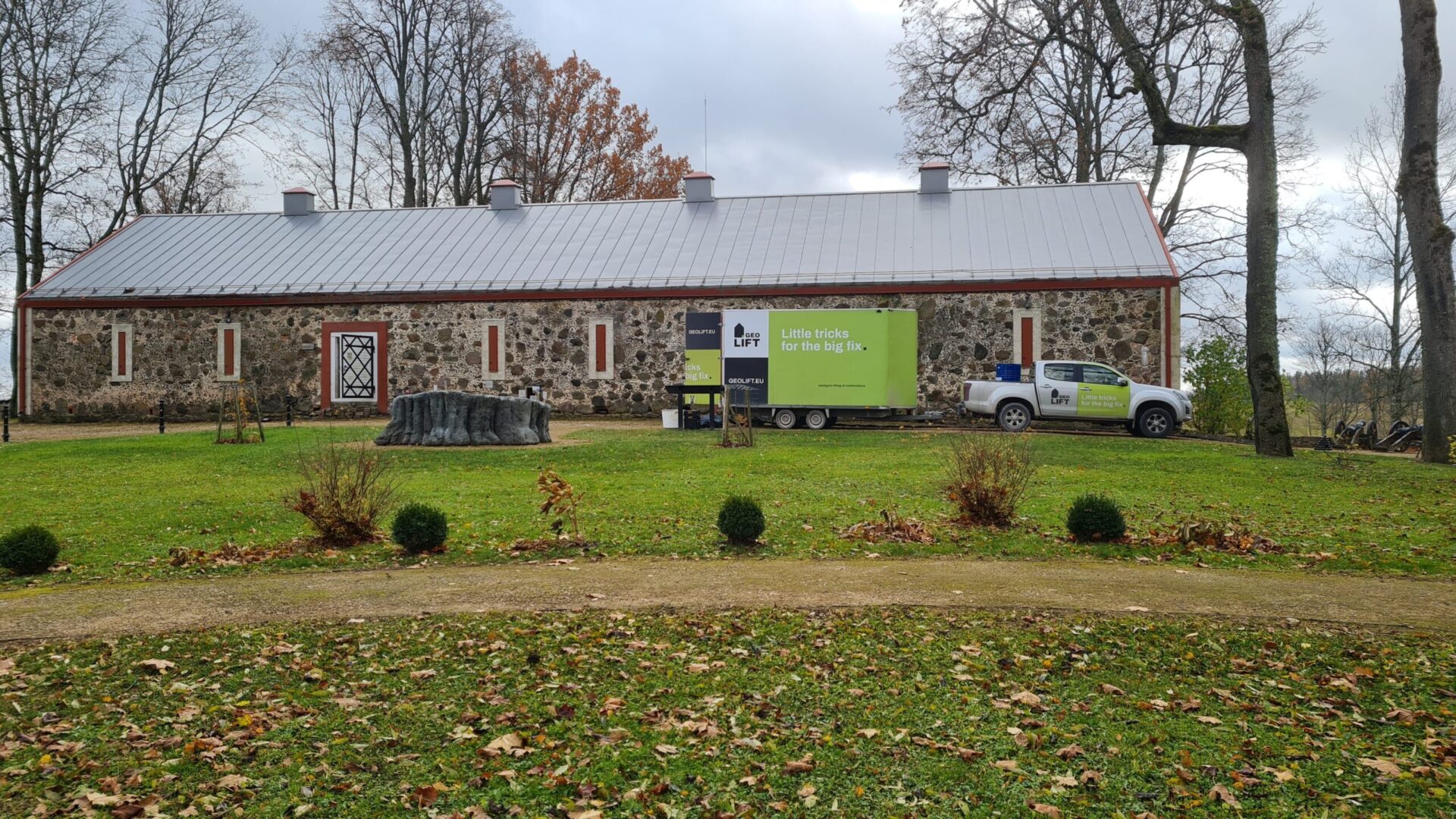
Common problems in heritage foundations
In heritage structures, visible damage is often only a symptom. The underlying problem is usually found below ground level, where old foundations, historic fill layers and changing moisture conditions affect support.
- Loss of bearing capacity in historic subsoil layers
- Long-term consolidation of fill beneath old foundations
- Moisture-related soil weakening caused by drainage changes over time
- Differential settlement causing cracking, tilting or distortion
- Localised foundation movement beneath load-bearing walls or columns
- Leaning statues, monuments or architectural elements caused by uneven ground support
Because excavation or traditional underpinning is often prohibited, risky or impractical, any intervention must be precise, carefully controlled and fully documented.
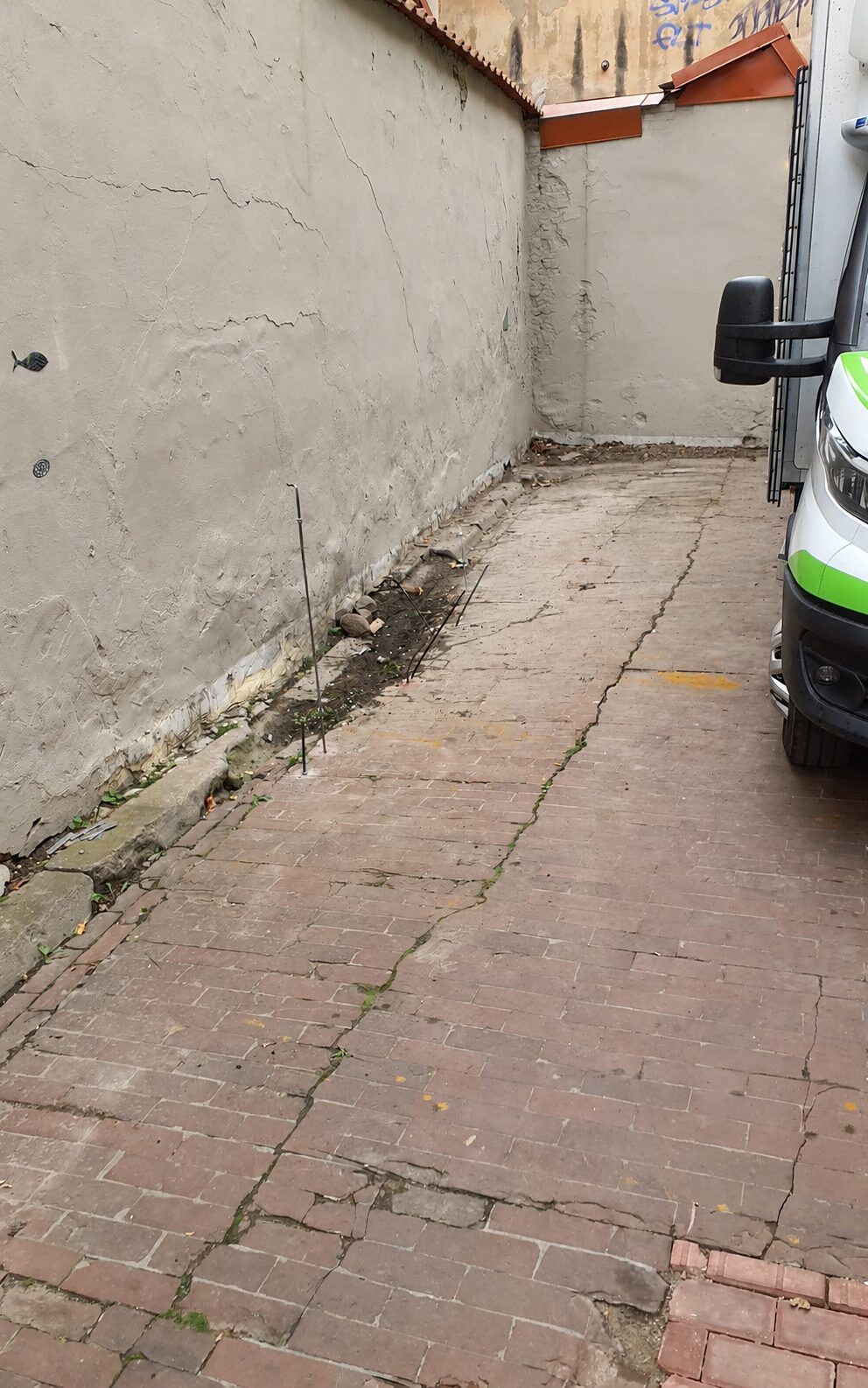
GEOLIFT’s approach for heritage assets
GEOLIFT applies a non-destructive, injection-based stabilisation method adapted to conservation requirements and the technical condition of each structure.
Detailed assessment and root-cause analysis
- Review of historical documentation and conservation requirements
- Geotechnical investigation, including CPT testing where permitted
- Structural behaviour analysis and movement history
Engineering-based solution design
- Definition of stabilisation depth and injection geometry
- Selection of suitable low-expansion geopolymer systems
- Coordination with heritage authorities, designers and conservation specialists
Controlled geopolymer injection
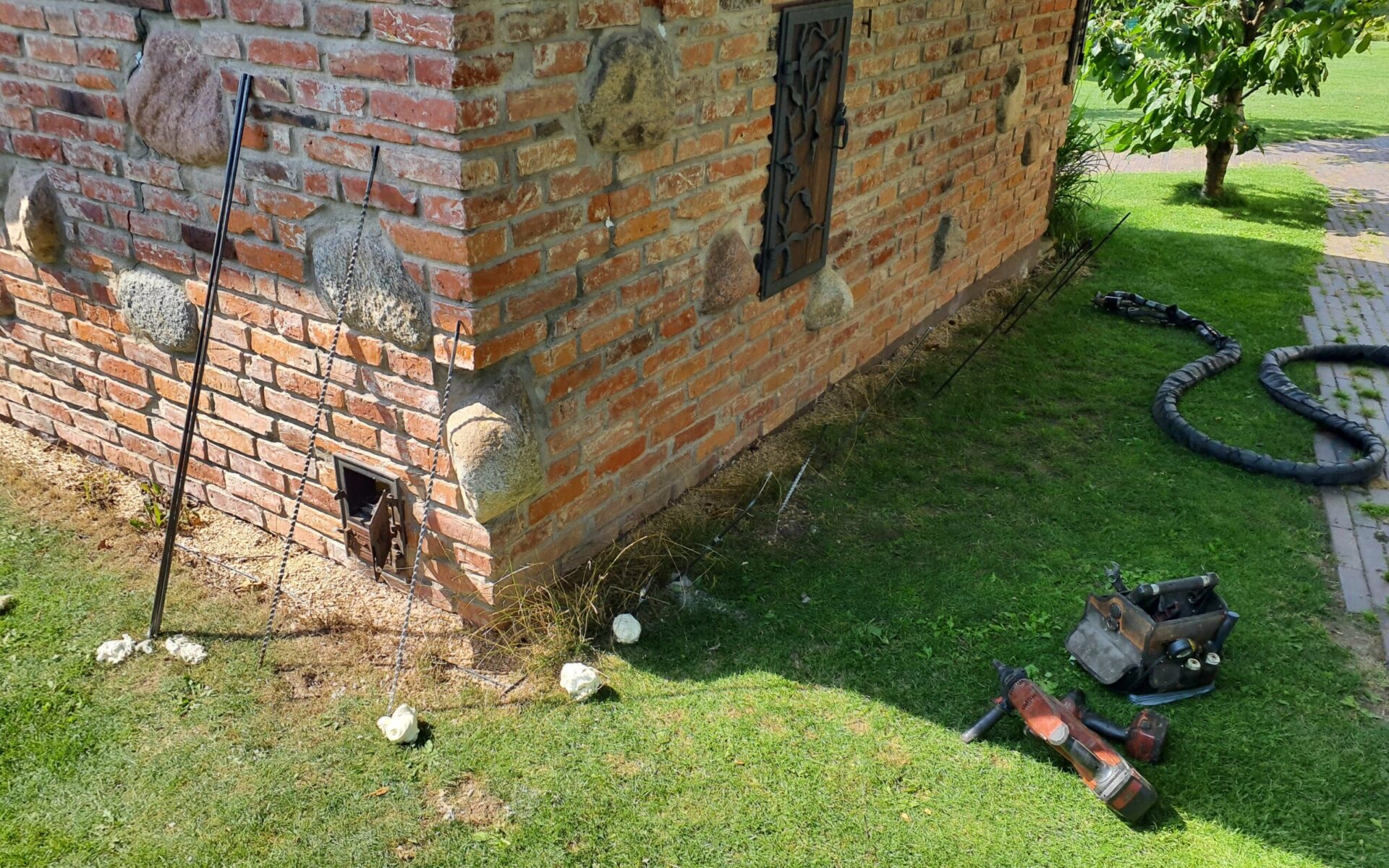
- Small-diameter drilling through mortar joints or discreet locations
- Injection through steel tubes at multiple depths and angles
- Gradual densification of weak ground to increase bearing capacity without overstressing the structure
Monitoring and documentation
- Continuous level and crack monitoring during works
- Post-stabilisation verification and reporting for conservation records
This methodology is suitable for historic city centres, protected foundations and architecturally sensitive buildings where conventional excavation would create unnecessary risk.
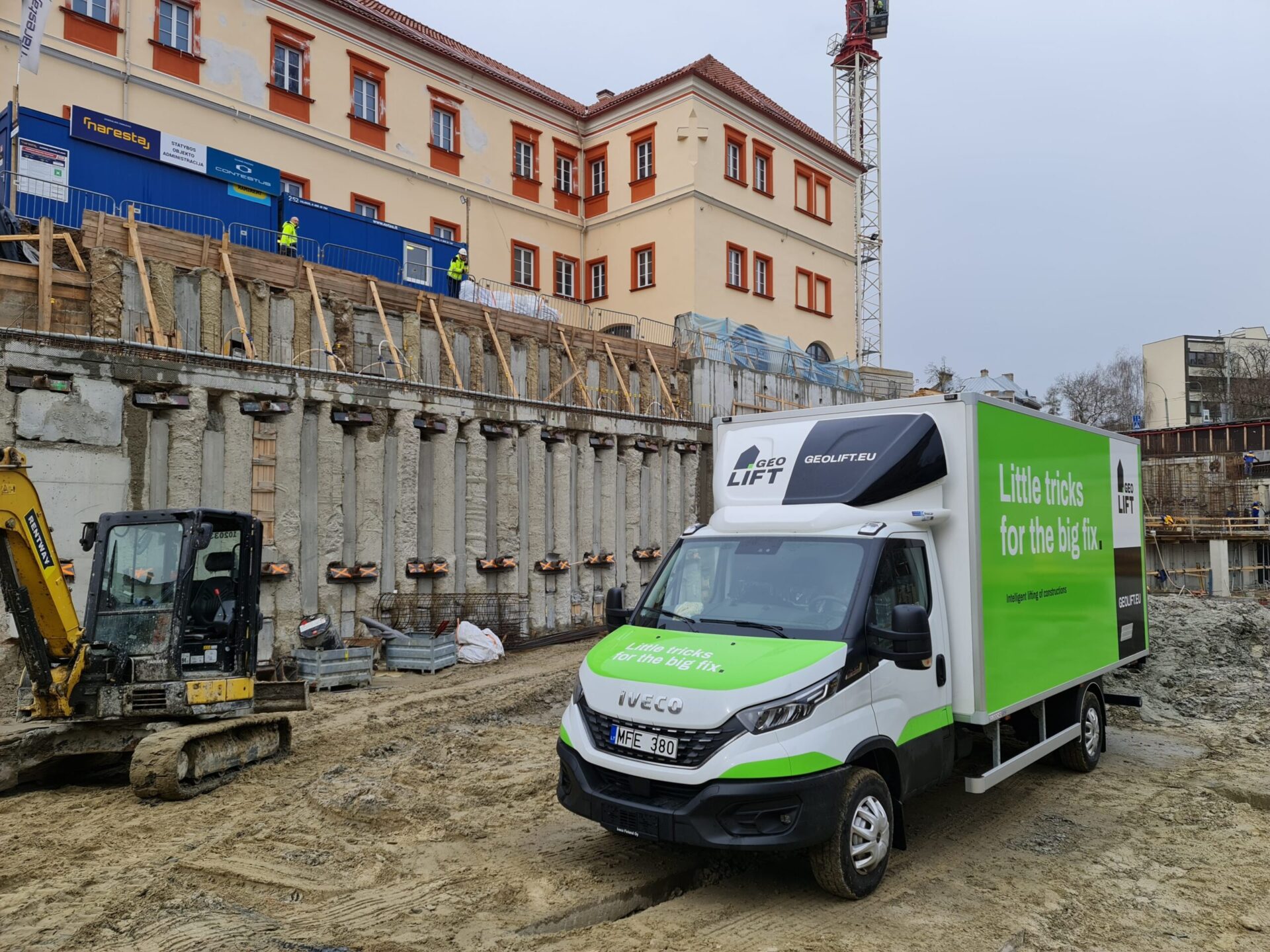
Foundation stabilisation of historic buildings
For heritage foundations, GEOLIFT primarily provides subsoil stabilisation rather than intrusive reconstruction. By strengthening the ground beneath existing foundations, we help:
- Increase bearing capacity without altering the structure
- Reduce ongoing settlement and crack development
- Preserve original materials and architectural integrity
- Avoid excavation, vibration and heavy construction equipment
Where required, stabilisation depths are optimised for structural effectiveness and cost-efficiency based on geotechnical data, expert consultation and cooperation with academic or research institutions.
Precision lifting of tilted statues and monuments
Where permitted by conservation authorities, GEOLIFT can perform millimetre-accurate lifting of tilted statues and monuments. Controlled geopolymer expansion beneath the foundation base allows alignment corrections to be made gradually and safely.
- No dismantling of the monument
- No heavy lifting equipment
- Real-time control of movement
This method is particularly suitable for valuable or fragile heritage objects where traditional lifting methods would create unacceptable risk.

Why Geolift for heritage projects?
- Minimal intervention with respect for heritage value
- Engineering-led decisions instead of generic repair methods
- Compliance with conservation and protection requirements
- Controlled technology for sensitive and high-risk structures
- Transparent documentation for heritage authorities
GEOLIFT stabilises the ground that supports history, helping preserve heritage structures with modern engineering precision.
Process
A controlled process for sensitive heritage structures
Every heritage project begins with a technical and conservation-focused assessment. GEOLIFT reviews the structure, ground conditions, movement history and project restrictions before defining a controlled injection strategy that respects the building’s historic value.
-
1
Assessment and documentation
We review visible damage, movement history, foundation type, heritage requirements and available ground data. -
2
Engineering plan
We define the injection strategy, monitoring method, access points, expected outcome and documentation requirements. -
3
Controlled stabilisation works
Geopolymer injections are carried out in controlled stages with monitoring to stabilise weak ground and protect the structure.
Designed to protect historic value while restoring ground support.
Request a heritage structure assessment
"*" indicates required fields