Foundation Stabilization of Rüütelkonna Building

Cracking and settlement risk in a historic masonry building were caused by insufficient and variable foundation soil support. Resolved using staged geopolymer injection up to 3.5 metres, improving the foundation support zone without traditional underpinning or large-scale excavation.

Object: Rüütelkonna Building
Location: Kiriku plats 1, Tallinn, Estonia
Sector: Historic building restoration
Technology: Geopolymer injection for foundation soil stabilization
Products used: GeoResin 1C Soil
Injection depth: Up to 3.5 m
Target soil layer: Foundation soil beneath and around the existing structure, based on investigation results
Bearing layer: Improved foundation support zone created through geopolymer injection
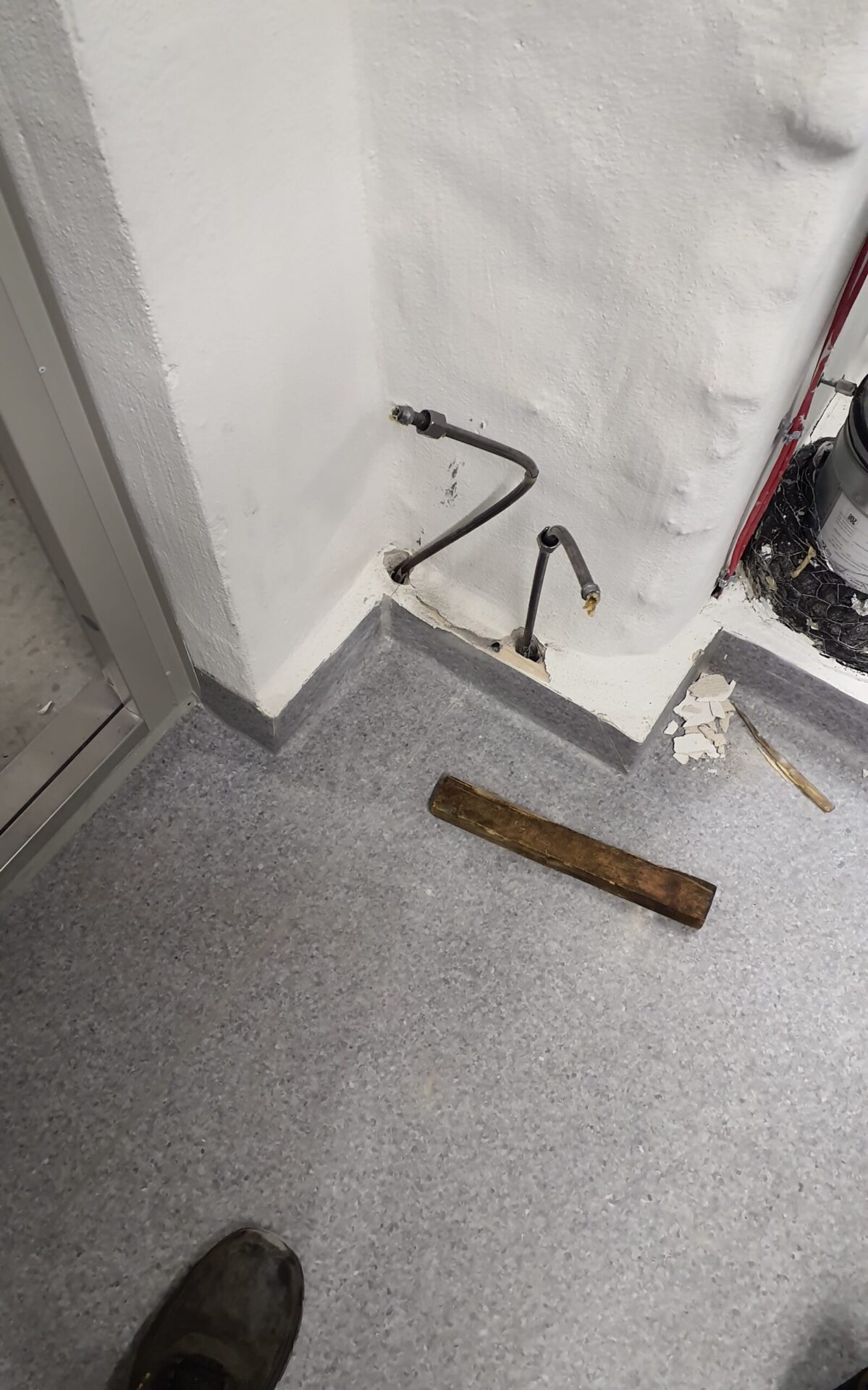
Method: Staged injection through metal tubes installed in drilled openings
Execution time: 14 working days total, carried out across four stages from December 2022 to January 2023, with the final stage completed in April 2026
Contractor: Geolift International OÜ
Engineer: Valdas Kordušas, Geolift
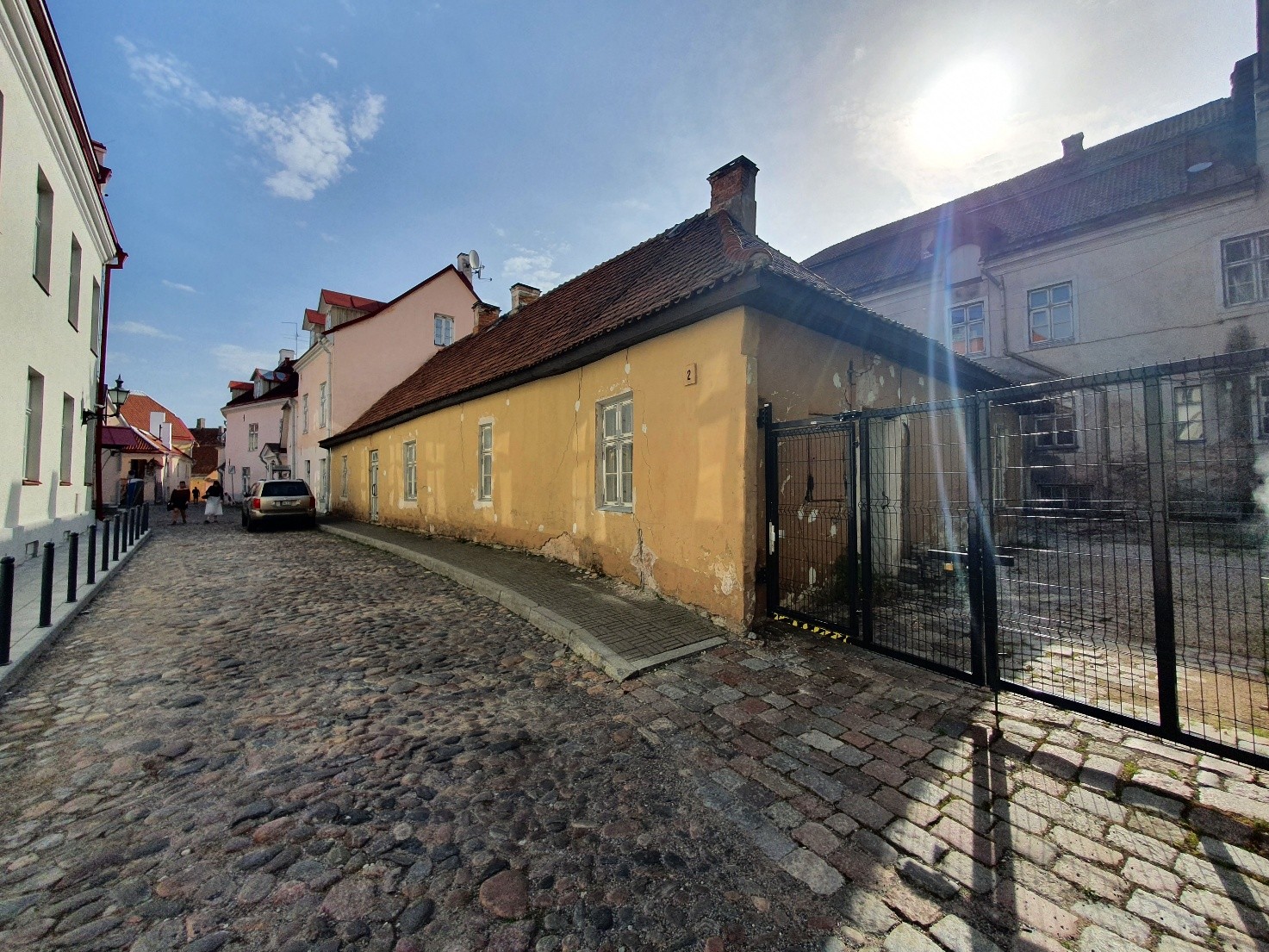
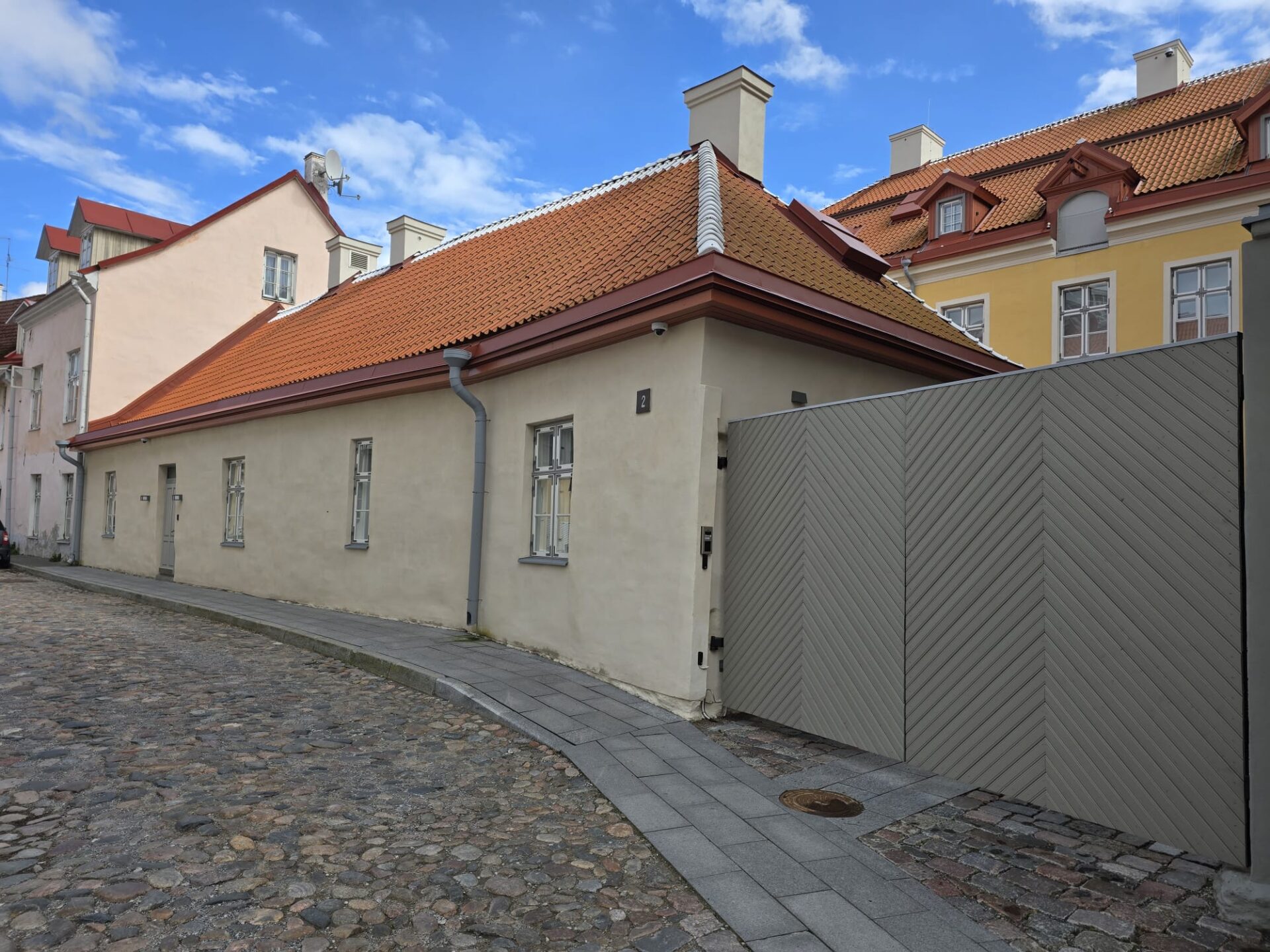
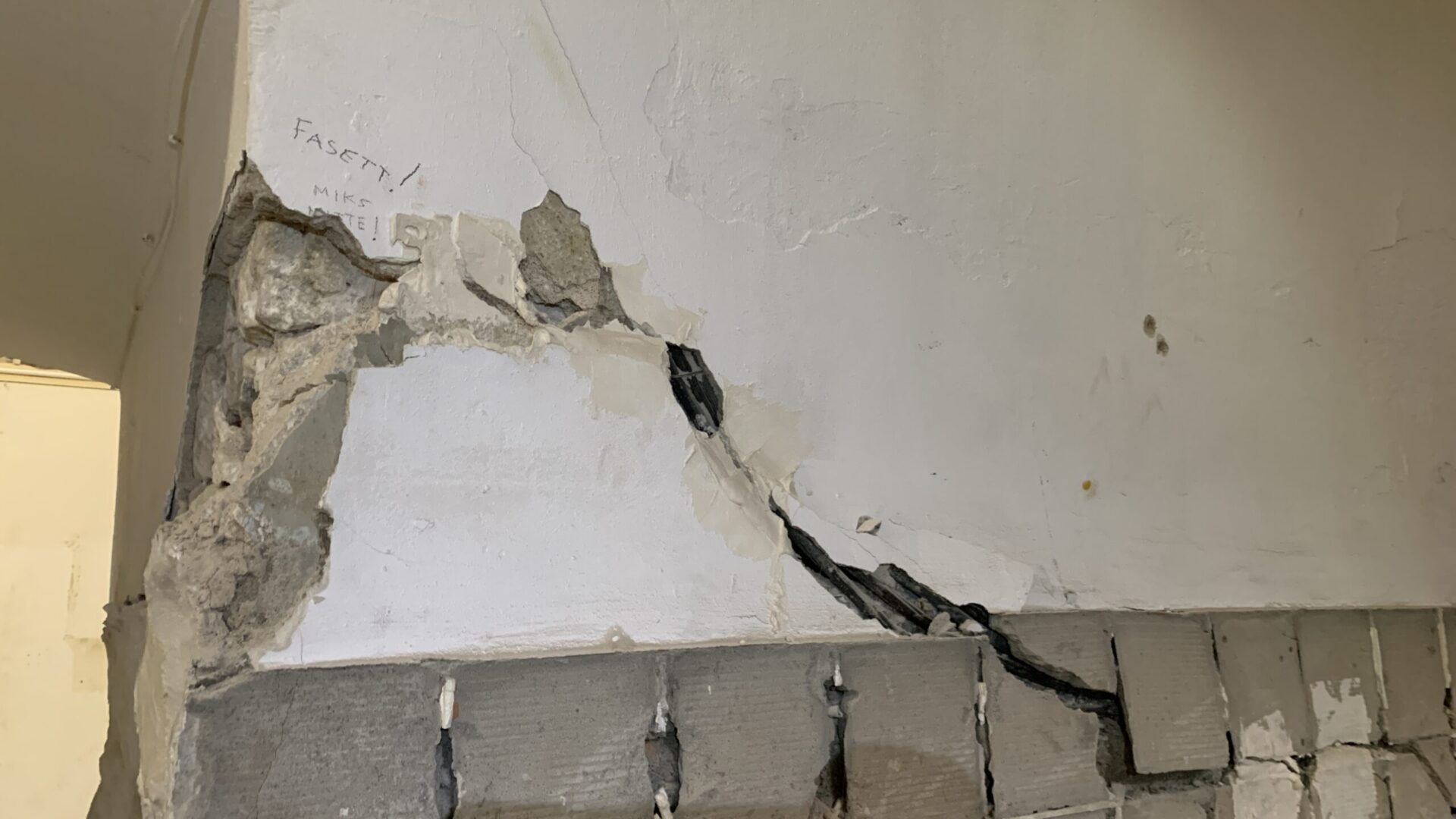
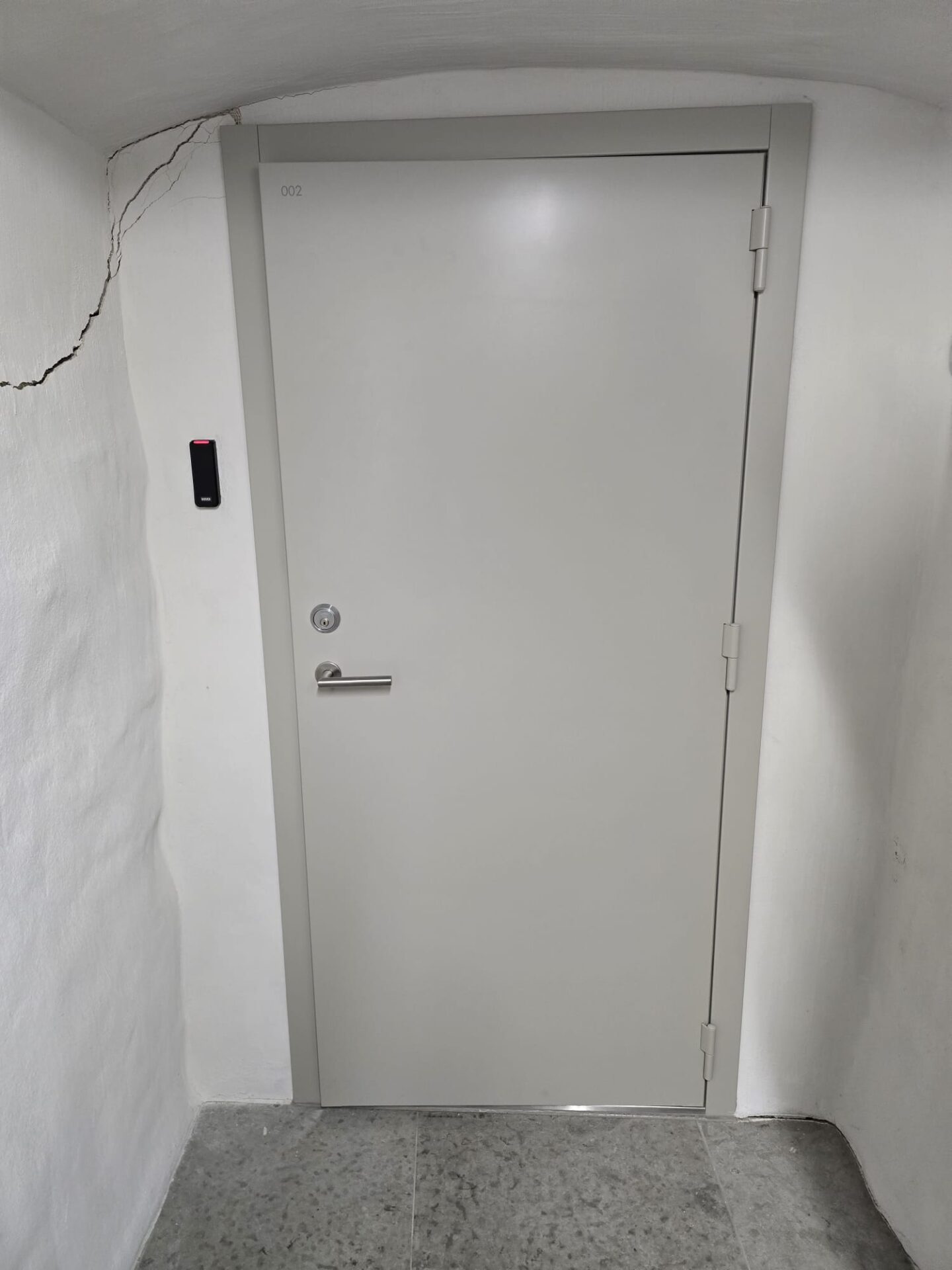
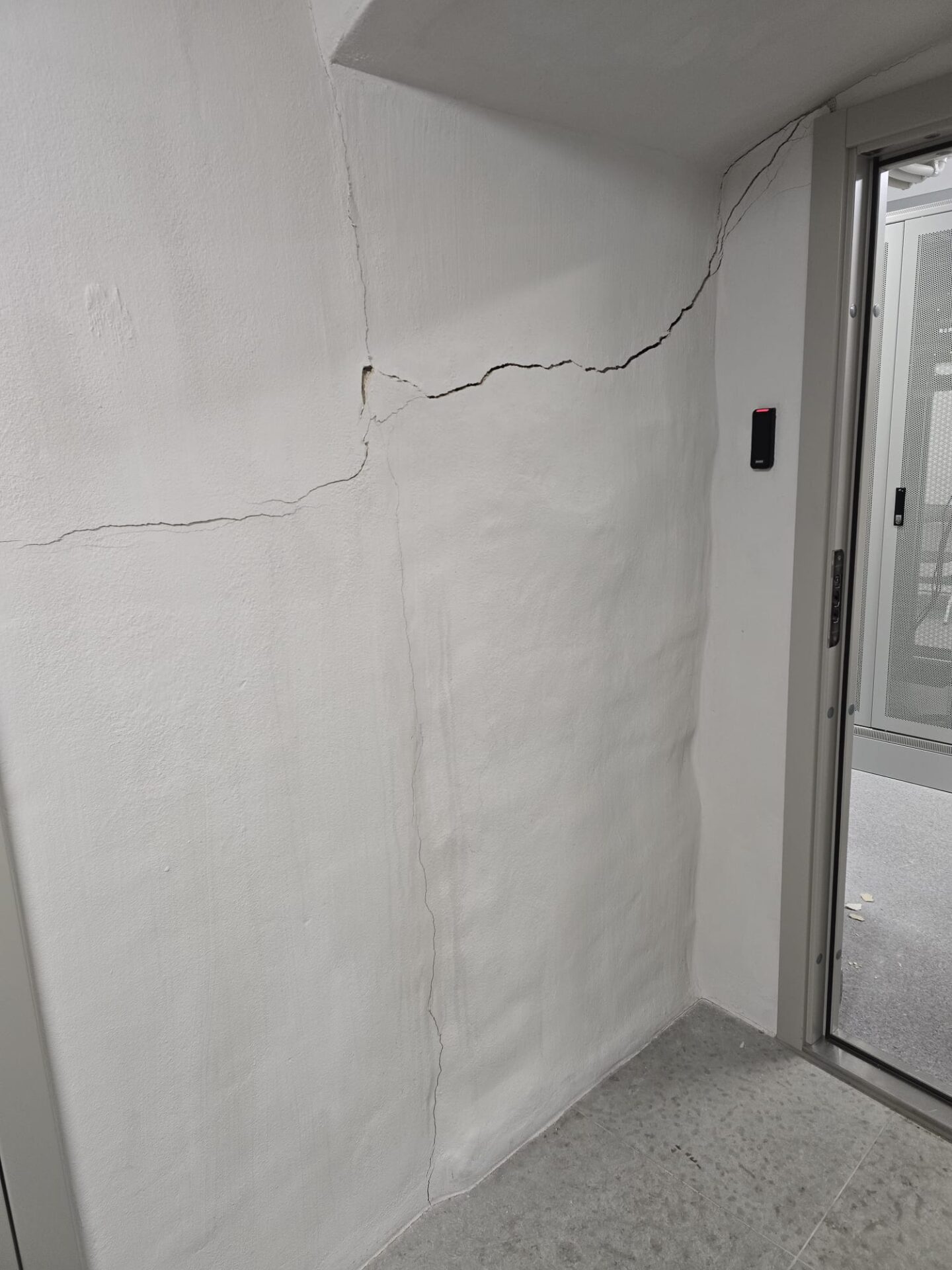
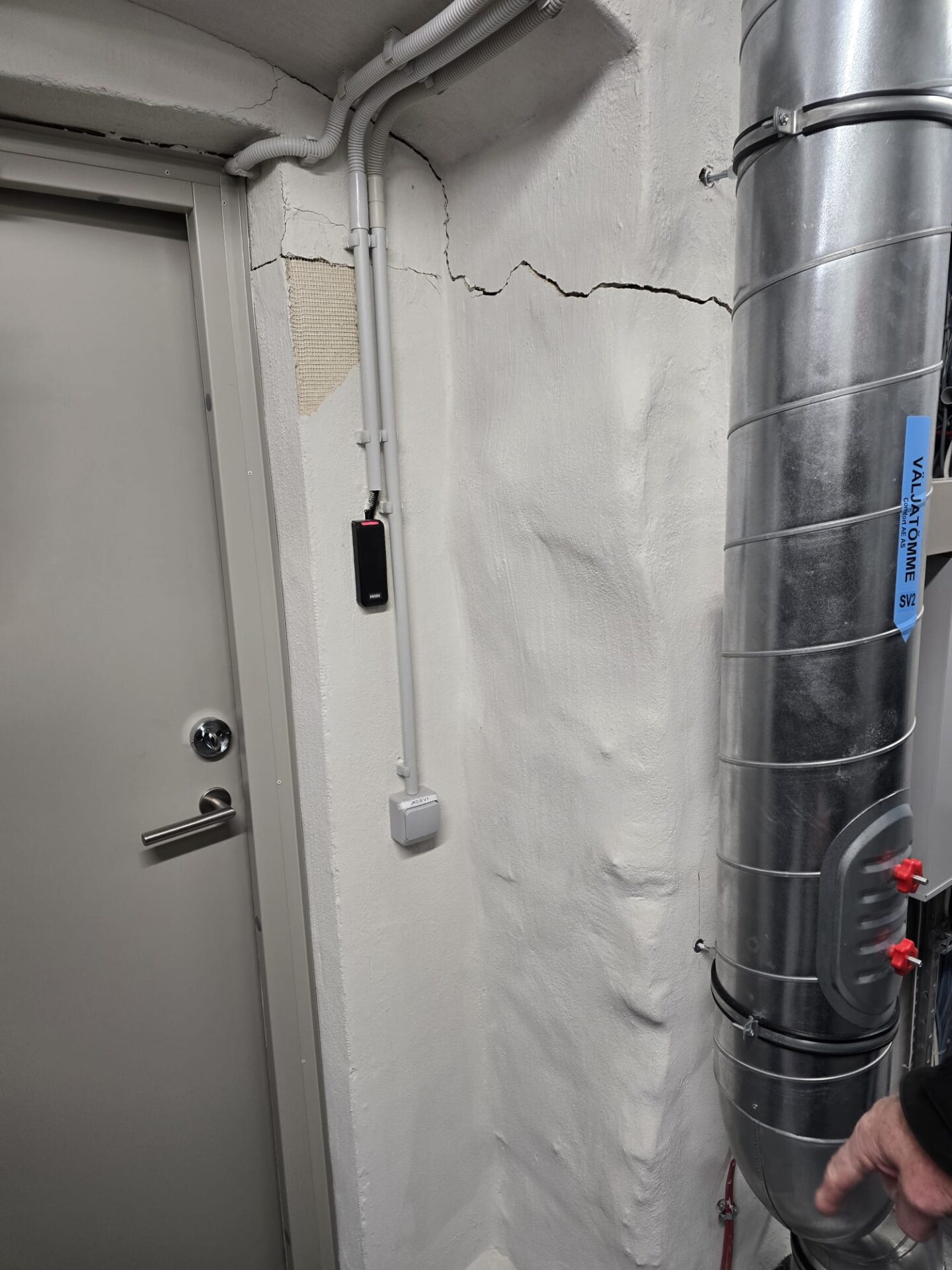
Rüütelkonna Building in Tallinn where Geolift performed foundation stabilization using geopolymer injection

Problem

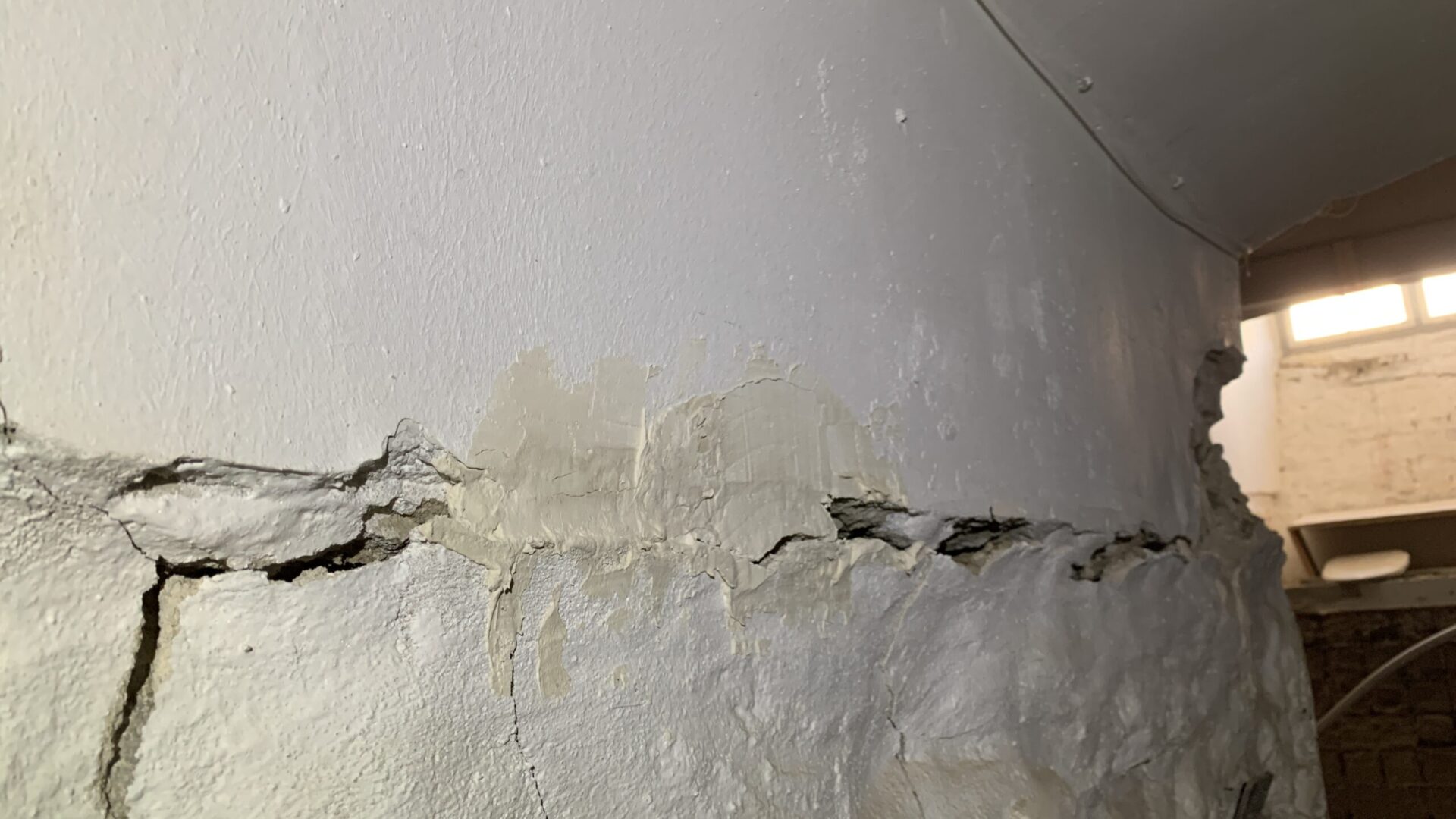
The Rüütelkonna Building is a historic structure in Tallinn Old Town. During restoration, cracks and movement-sensitive zones were identified in connection with the existing foundation system and subsoil conditions.

Because the building is old and not all historical construction information was available, the stabilization work could not be treated as a single closed operation. The project required a staged and adaptive approach, including return visits to selected zones where additional injections were necessary.

Cause

Based on the available investigation and project information, the issue was related to insufficient and variable support conditions below the existing foundations. The selected engineering approach was to improve the foundation support zone by injecting geopolymer material up to 3.5 m depth.

Risk

  • Continued crack development in the historic masonry structure
  • Further differential settlement in sensitive foundation zones
  • Increased complexity and cost during restoration
  • Higher risk of structural movement after interior and finishing works
  • Potential need for more invasive foundation reconstruction later

Solution

Geolift used a staged geopolymer injection method to improve the support conditions beneath the existing foundations. Drilled openings were used to install metal tubes, through which GeoResin 1C Soil was injected into the target zones.

  • Injection was carried out in stages, with quantities and injection levels adjusted according to the condition and importance of each zone.
  • In more critical areas, repeated injection levels were used to create a stronger and more continuous support zone.
  • The method allowed additional injections to be performed later where site observations showed that further stabilization was required.

Execution & Results

  • The works were completed in four stages over a total of 14 working days.
  • The first three stages were carried out from December 2022 to January 2023.
  • Due to the age of the building and incomplete historical information, selected areas were revisited and additional injections were completed where required.
  • The final stage was completed in April 2026.
  • The foundation support zone was improved without traditional underpinning or large-scale excavation.

Benefits for the Client

  • Minimal invasiveness: stabilization was completed without extensive excavation or dismantling of the historic foundation structure.
  • Adaptability: the staged method allowed Geolift to return to selected areas and perform additional injections when actual conditions required it.
  • Suitable for historic buildings: the approach reduced risk in a structure where not all historical construction information was available.
  • Targeted strengthening: injection quantities and levels were adjusted according to each zone.
  • Reduced restoration risk: improving the foundation support zone helped reduce the risk of further cracking and movement during and after restoration.

Get in touch for a free consultation!

"*" indicates required fields

This field is for validation purposes and should be left unchanged.
Drop files here or
Accepted file types: jpg, png, jpeg, pdf, Max. file size: 50 MB.