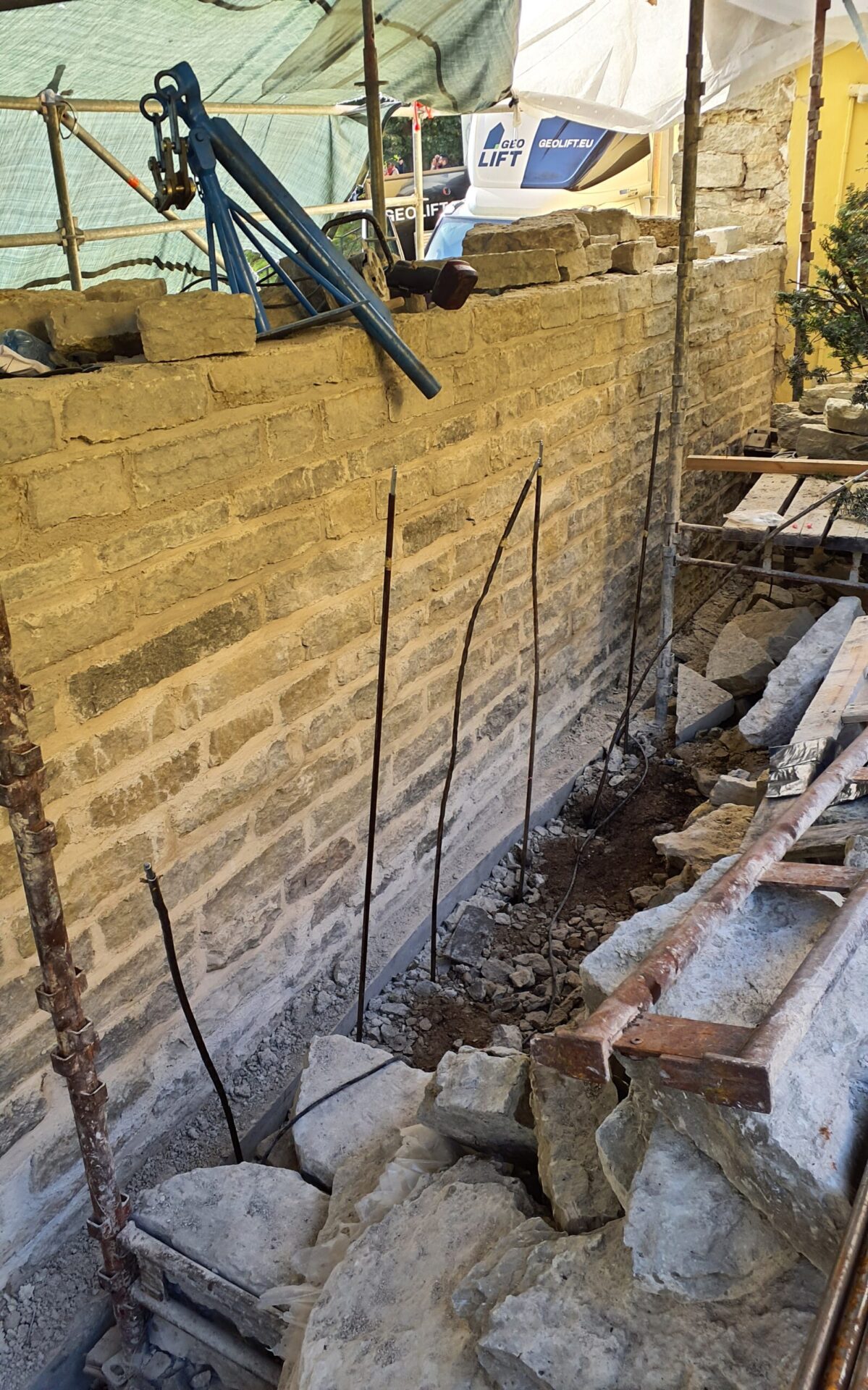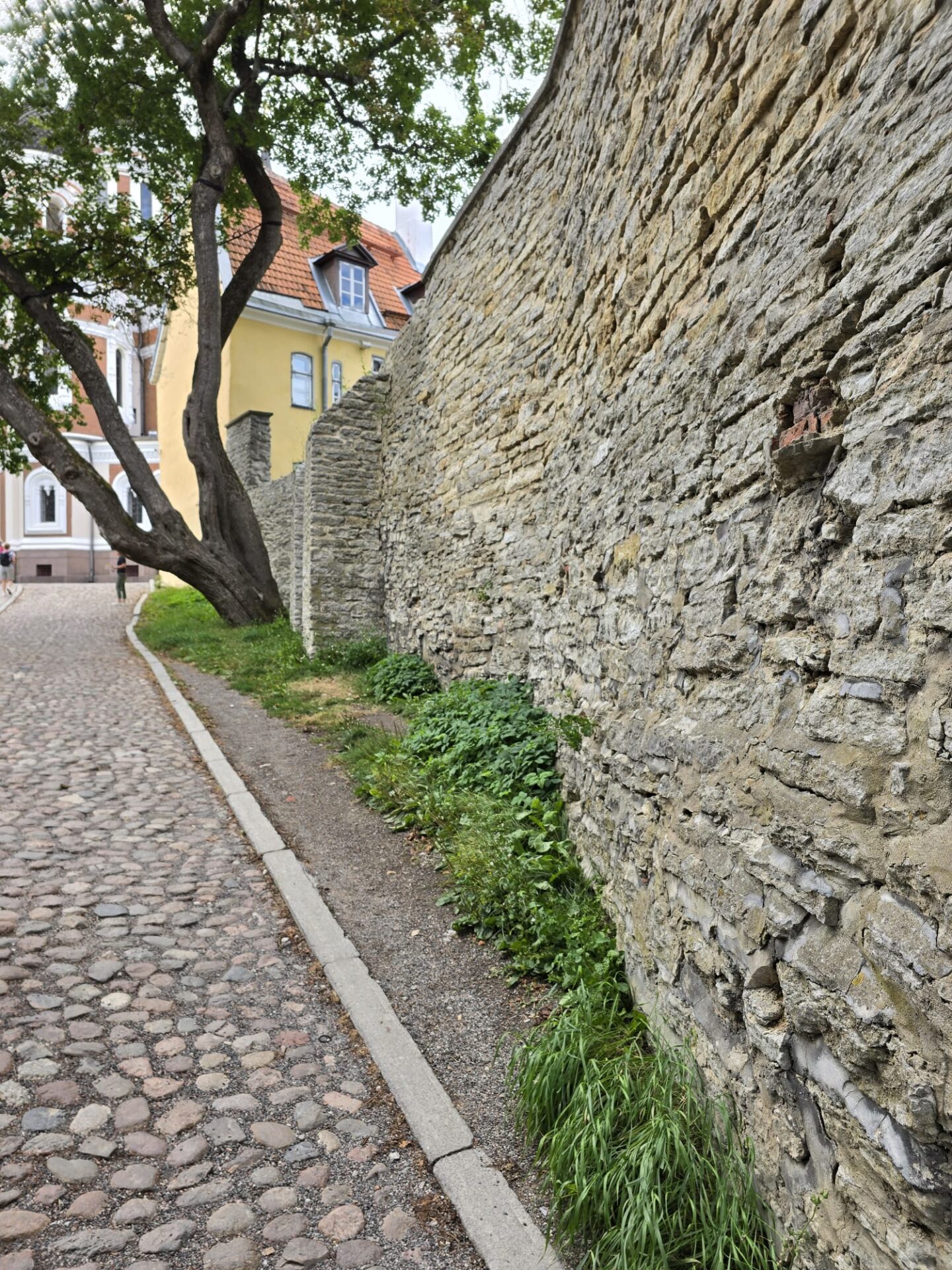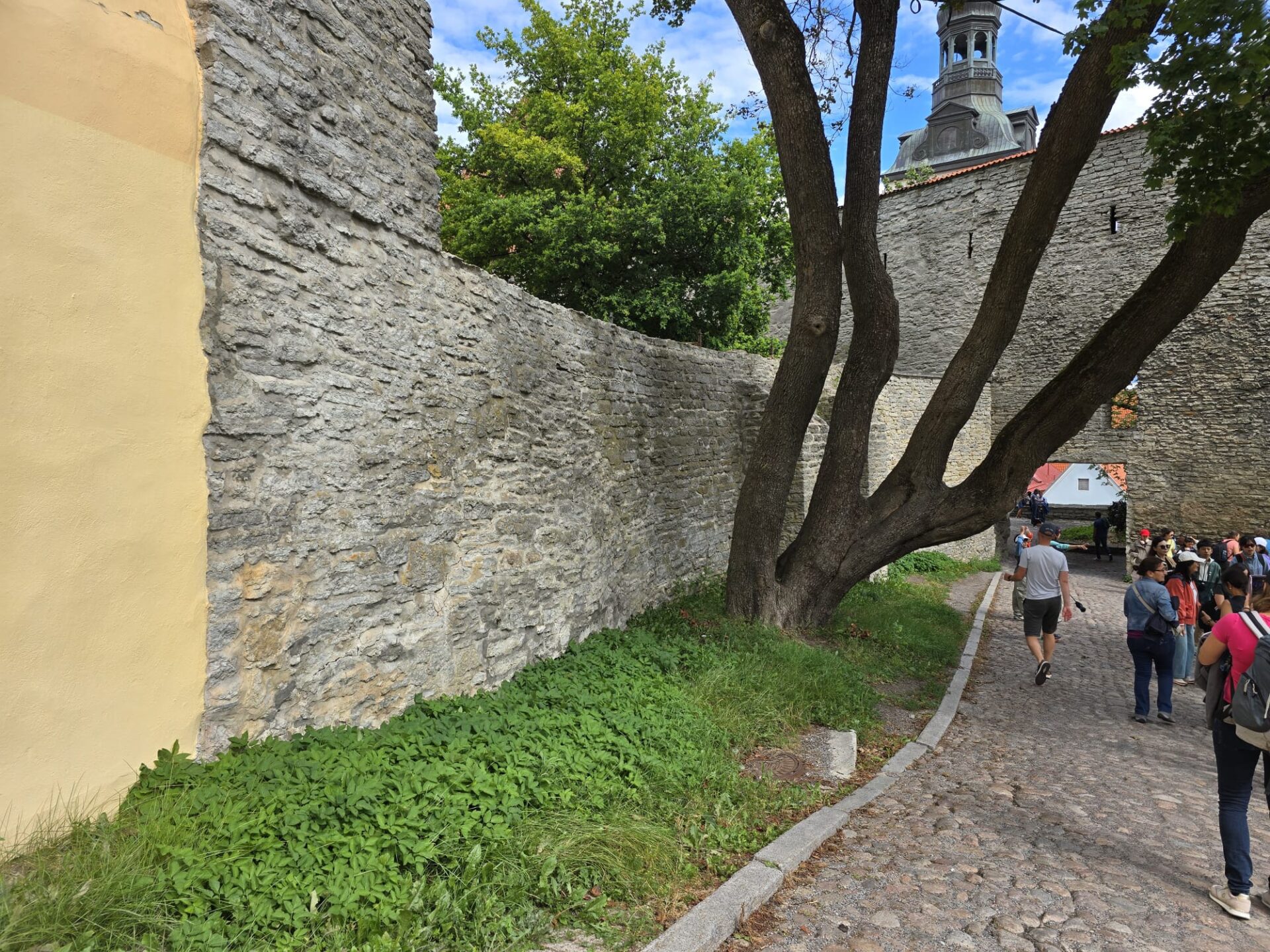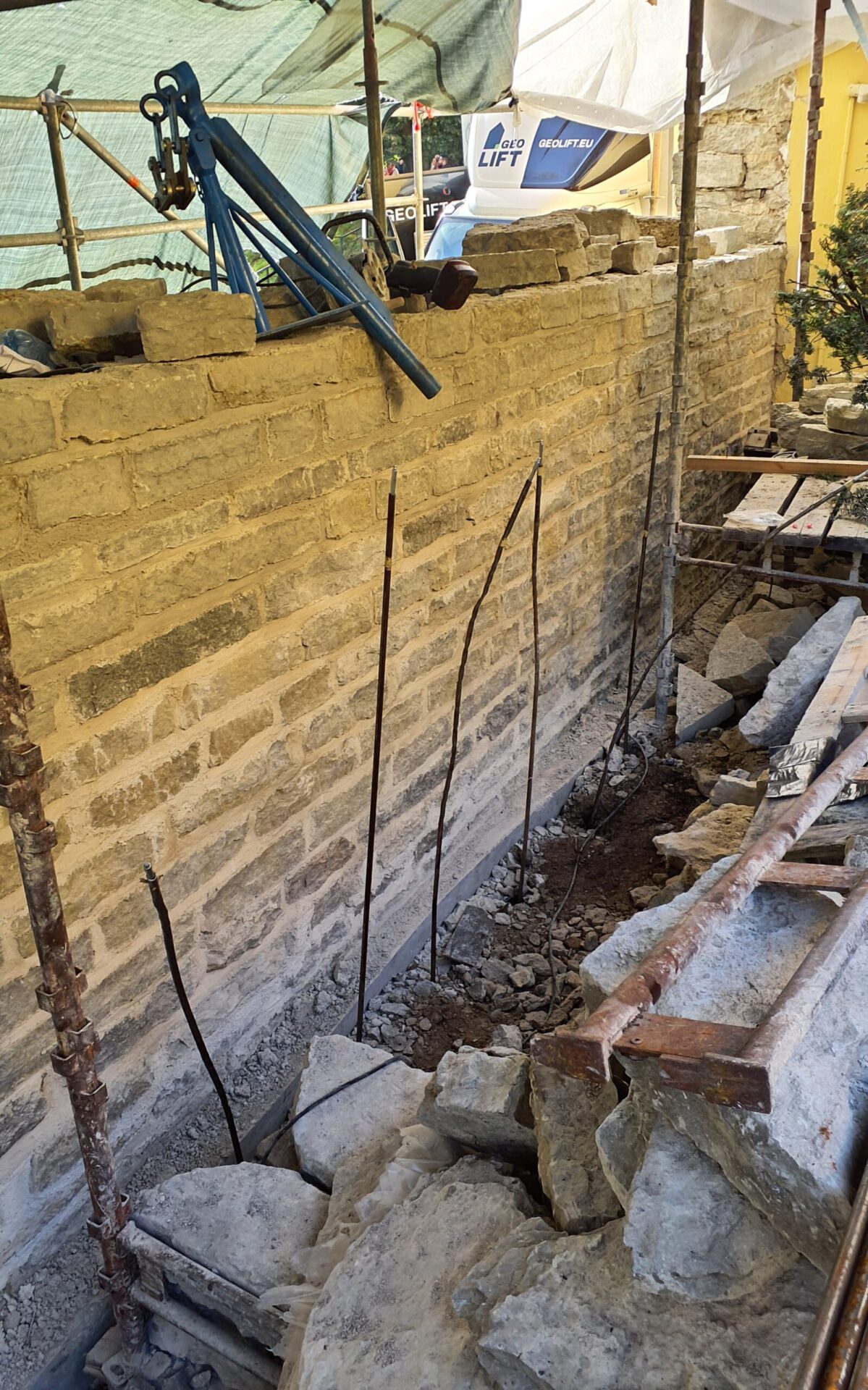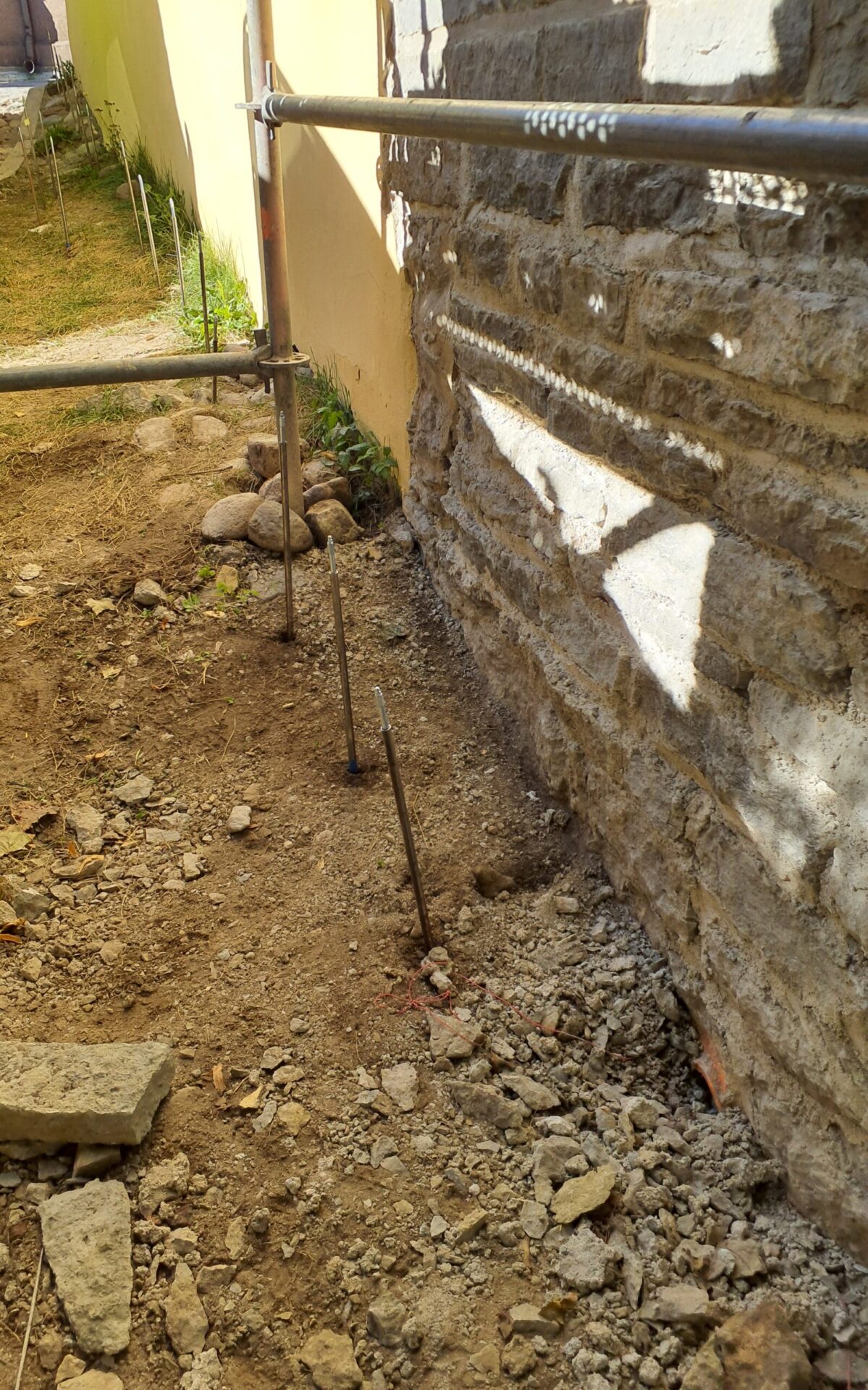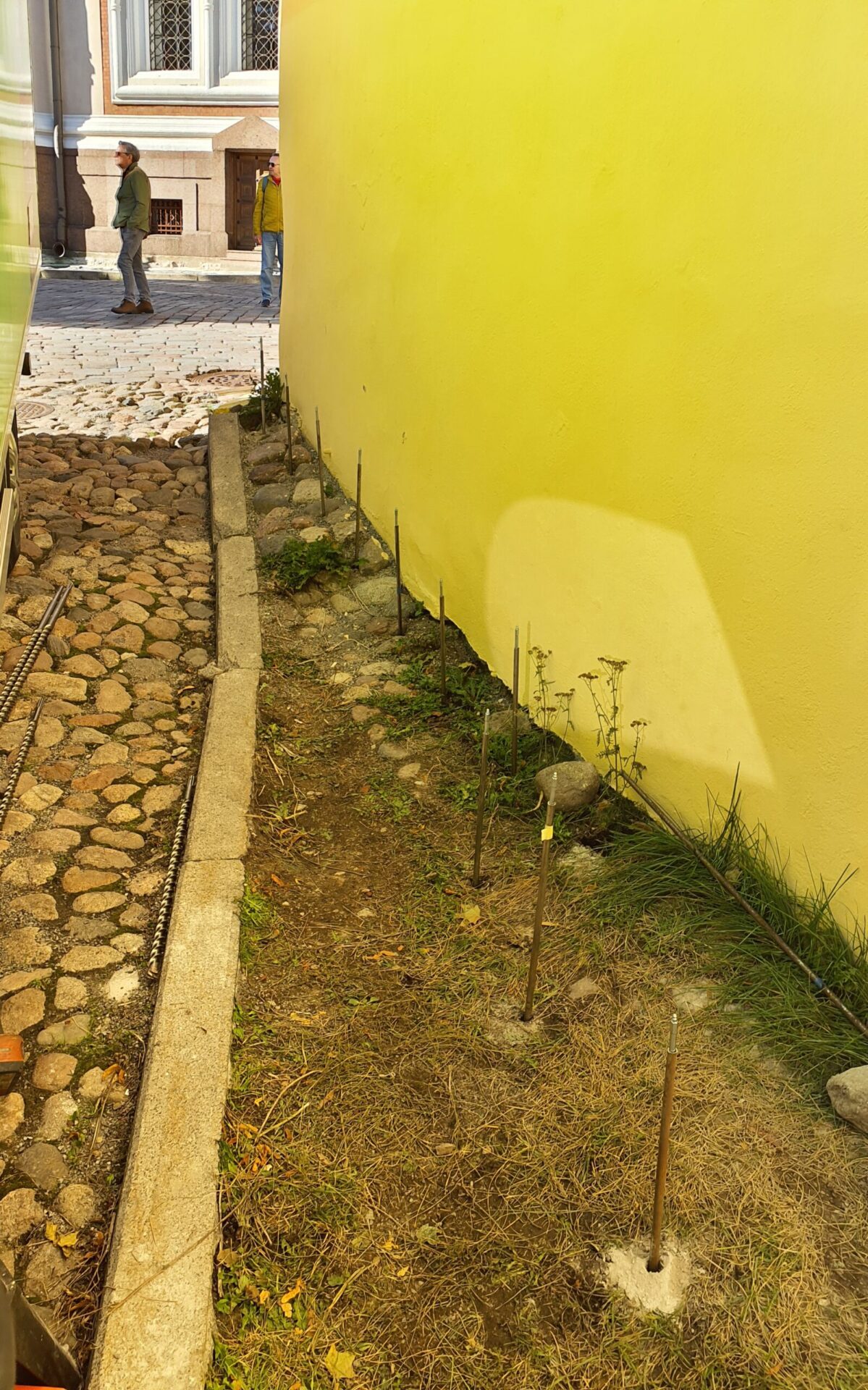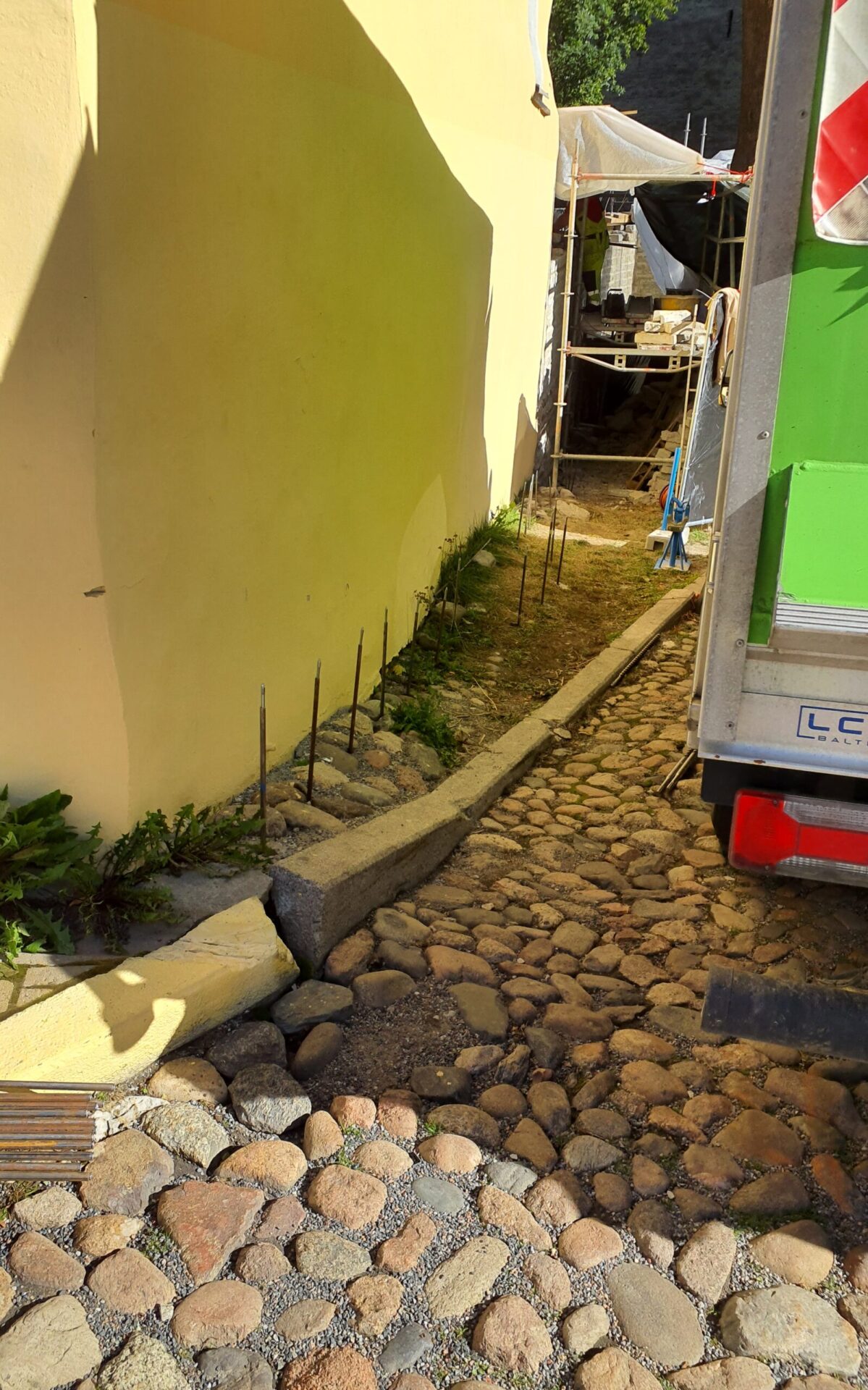
Foundation stabilization of Lossi plats 7 perimeter wall

Recurring cracking and inward movement of a historic limestone perimeter wall were caused by weak, variable fill soils and voids below old masonry foundations. The issue was resolved using controlled geopolymer injection, improving support for the restoration works without extensive excavation beside sensitive heritage structures.

Object: Historic limestone perimeter wall
Location: Lossi plats 7, Tallinn, Estonia
Sector: Heritage restoration / historic masonry
Technology: Controlled geopolymer injection
Products used: Geolift 1C Soil
Injection depth: Up to approximately 2.5 m, adjusted to actual foundation and void conditions
Target soil layer: Weak and heterogeneous historical fill beneath the wall foundation
Bearing layer: Immediate foundation support zone improved by densification and void filling
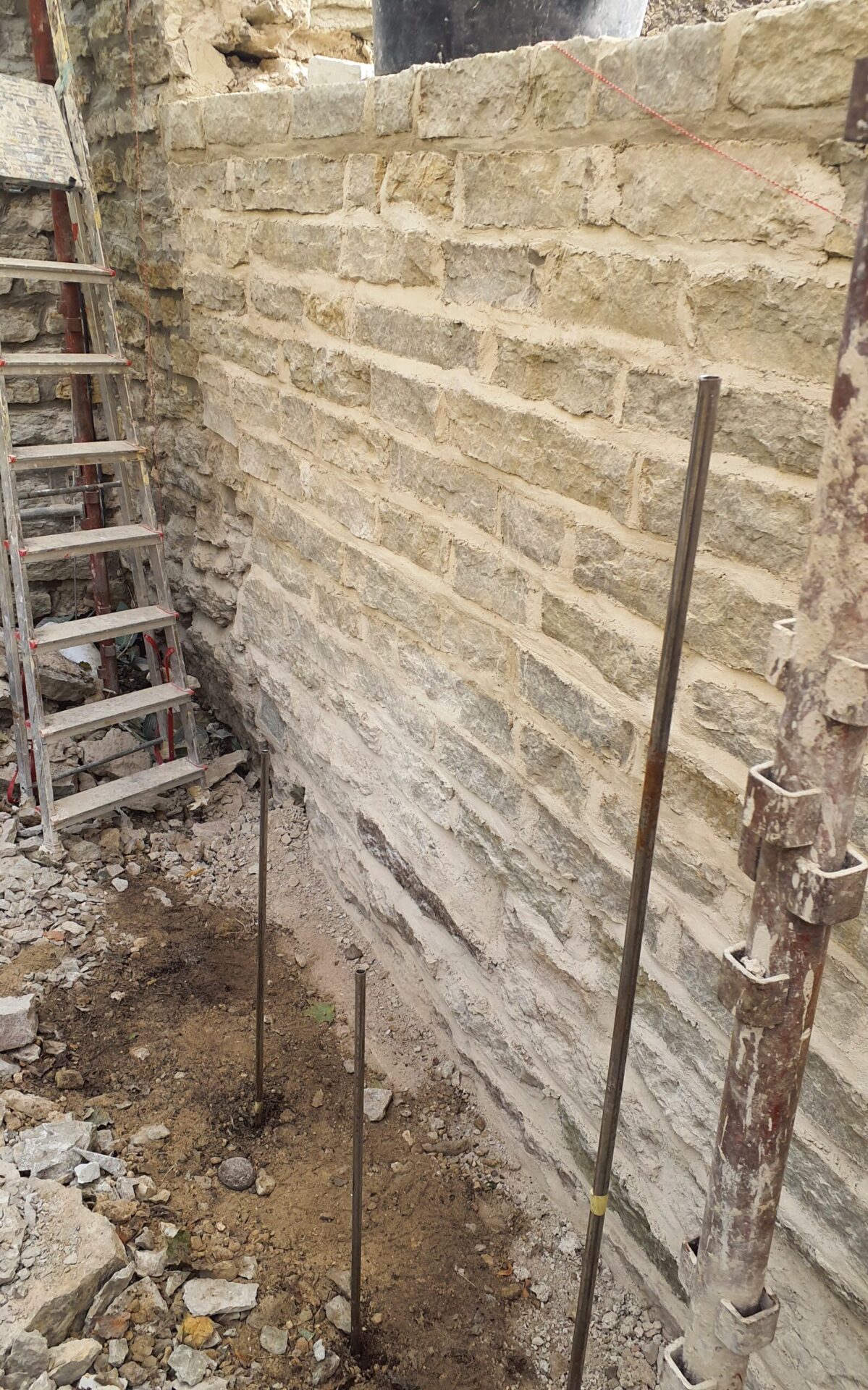
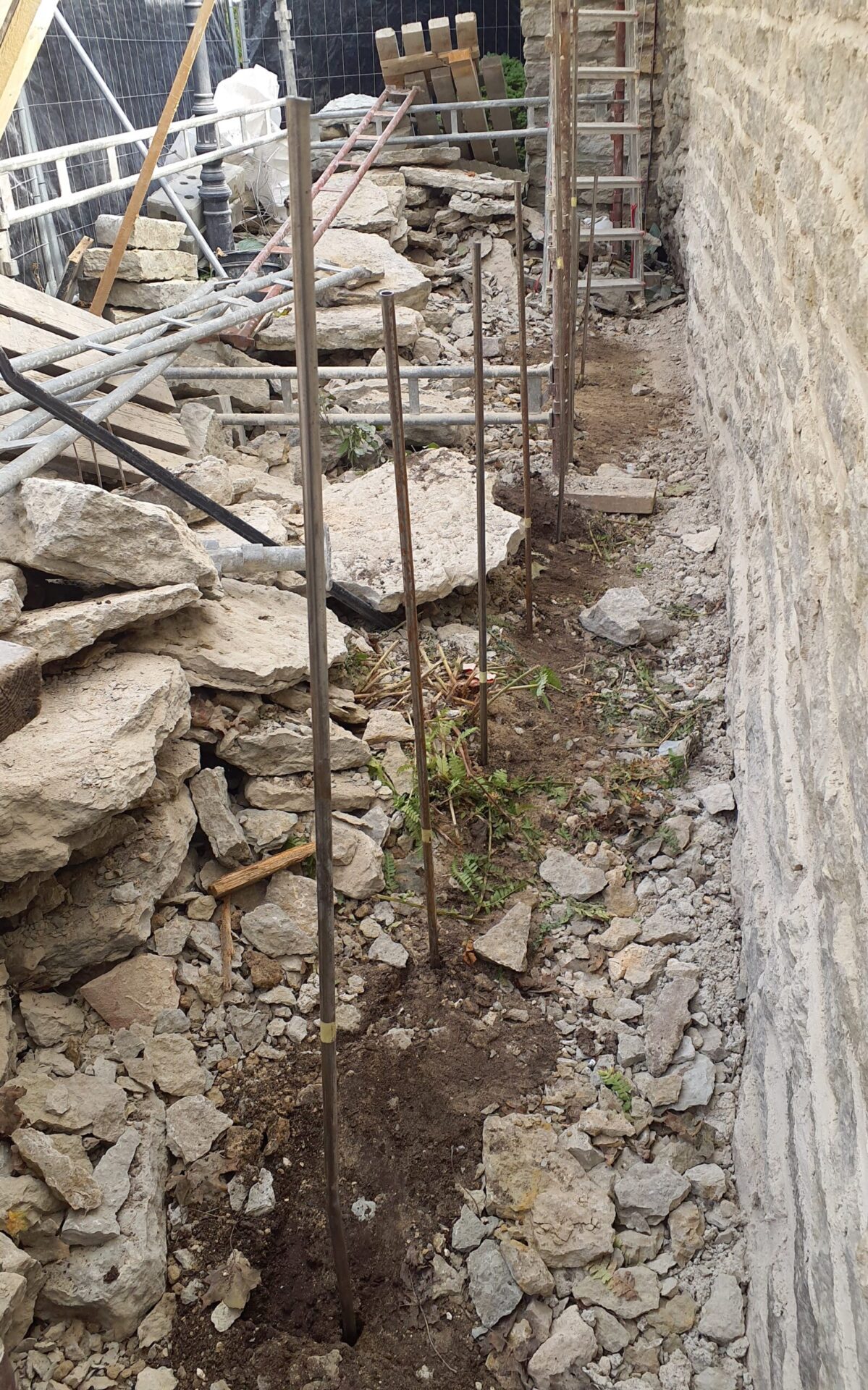
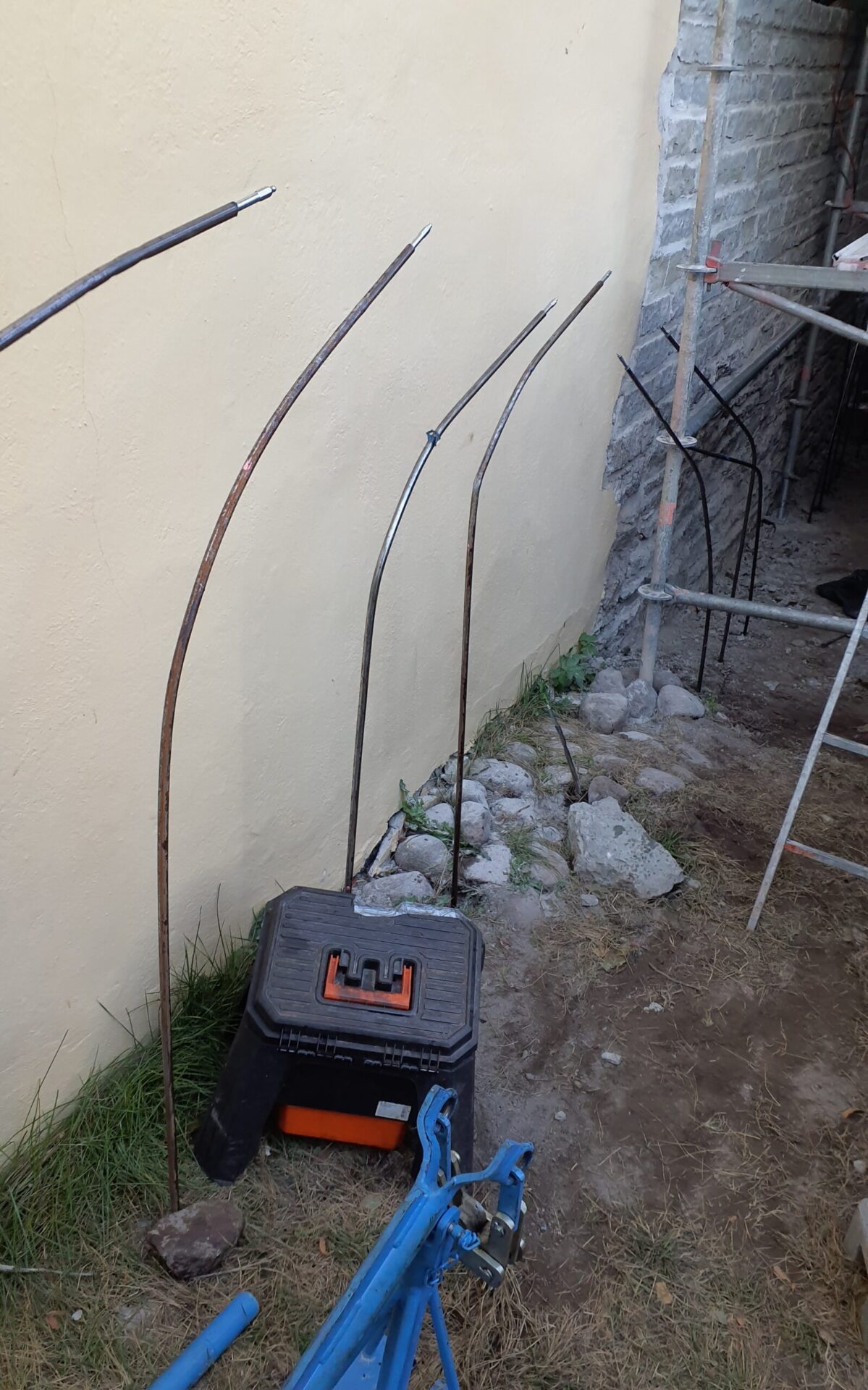
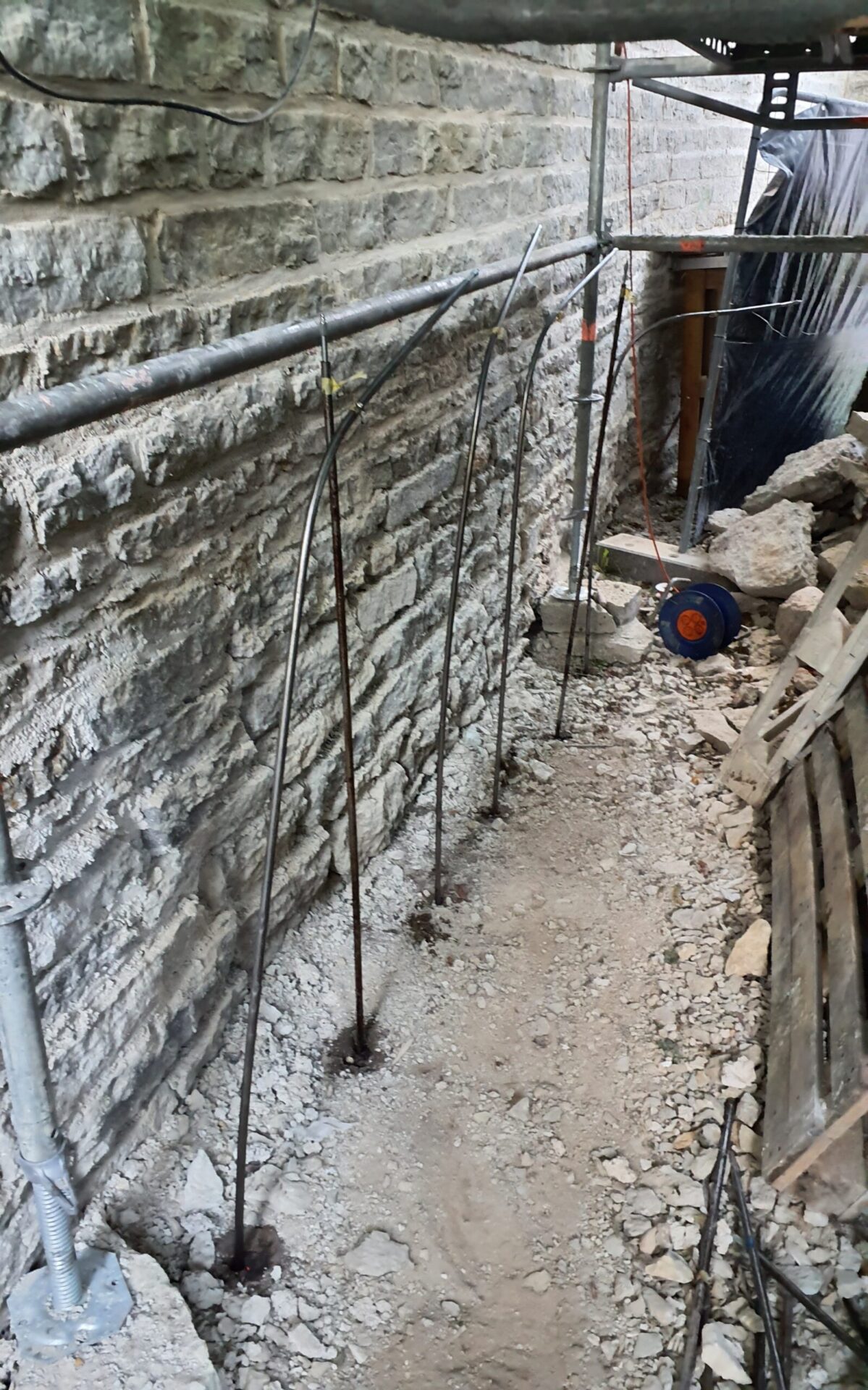
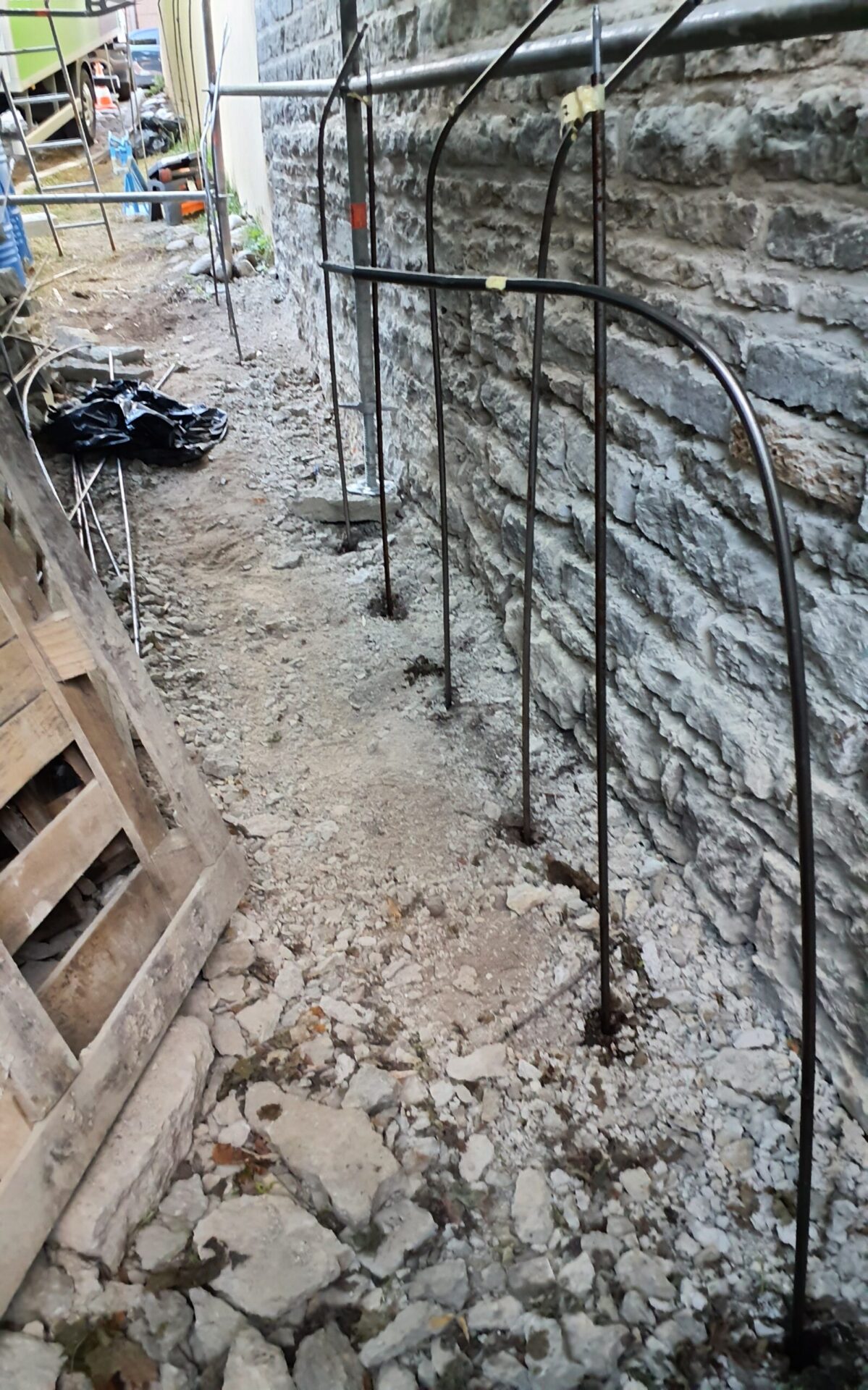
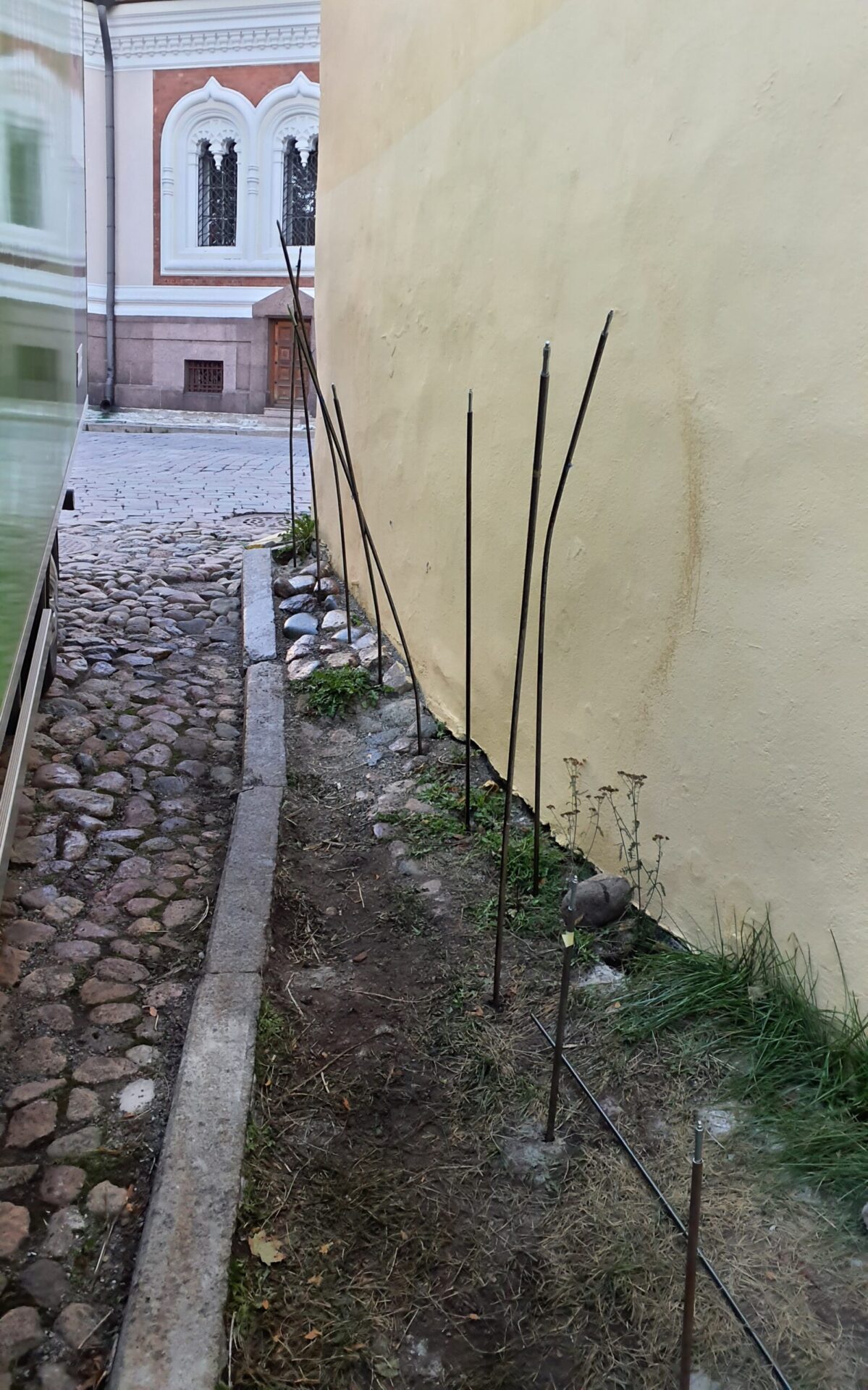
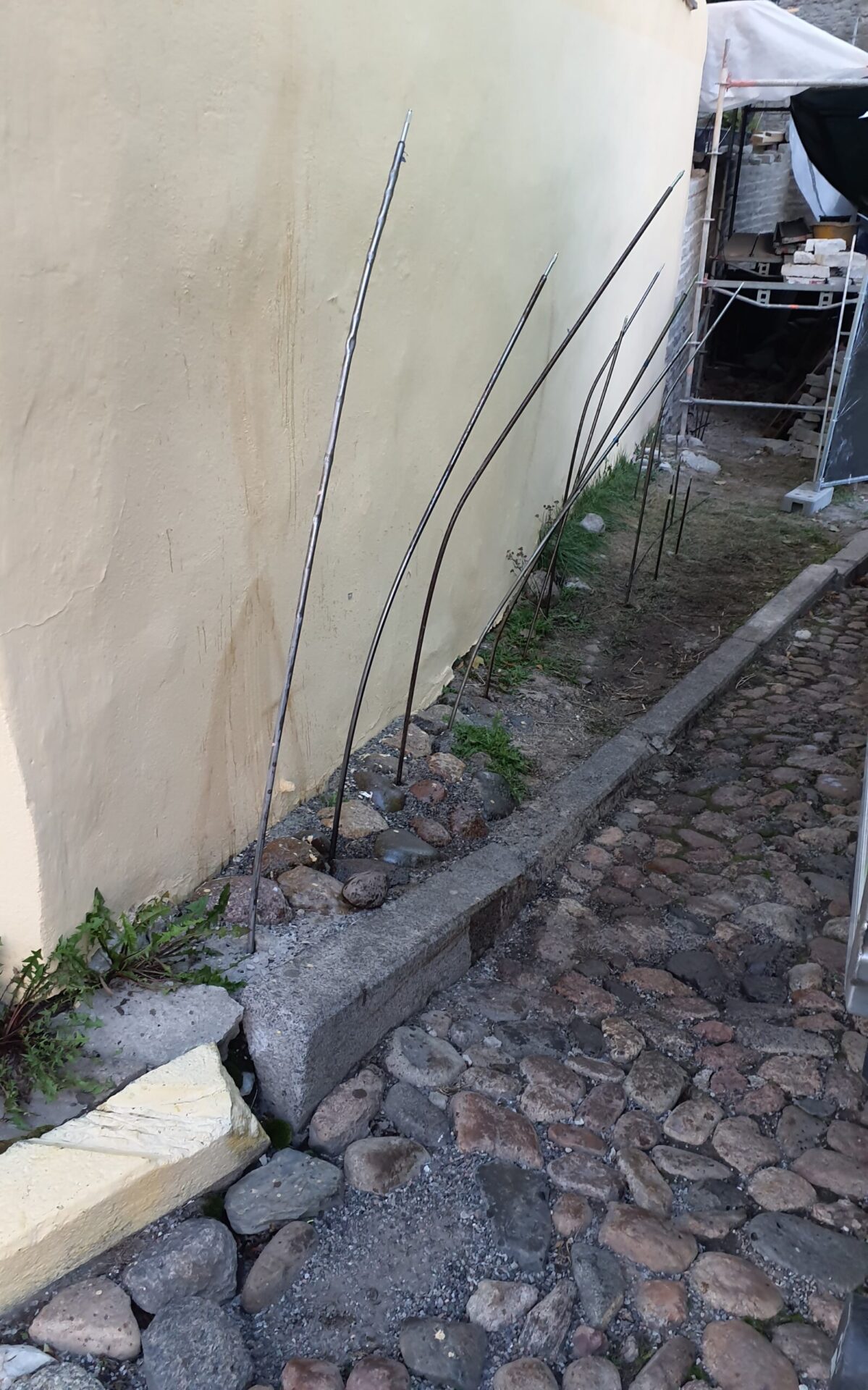
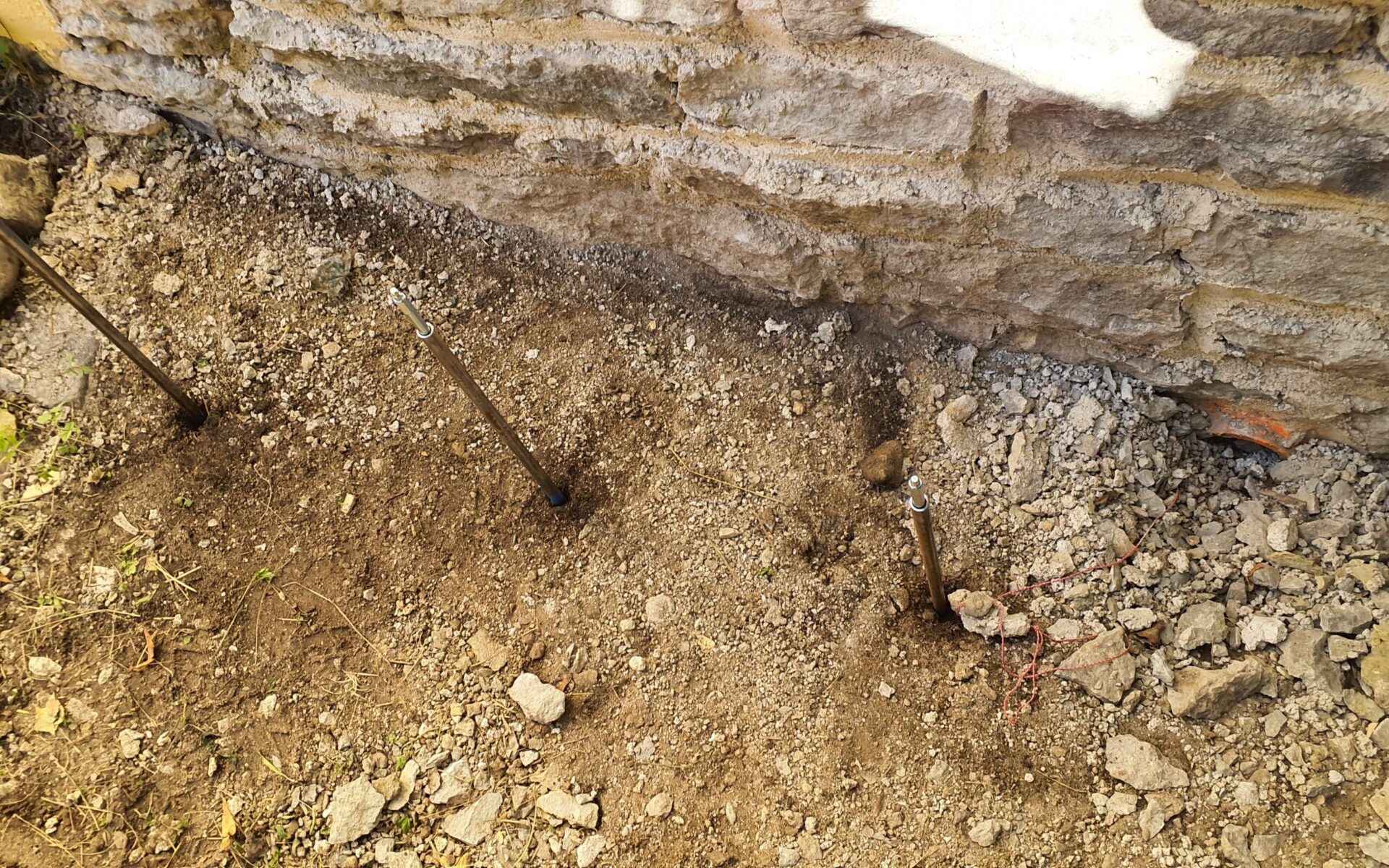
Method: Approximately 40 injection points through drilled holes, with controlled injection beneath the wall line
Execution time: 5 working days on site
Contractor: Geolift International OÜ
Engineer: Valdas Kordusas
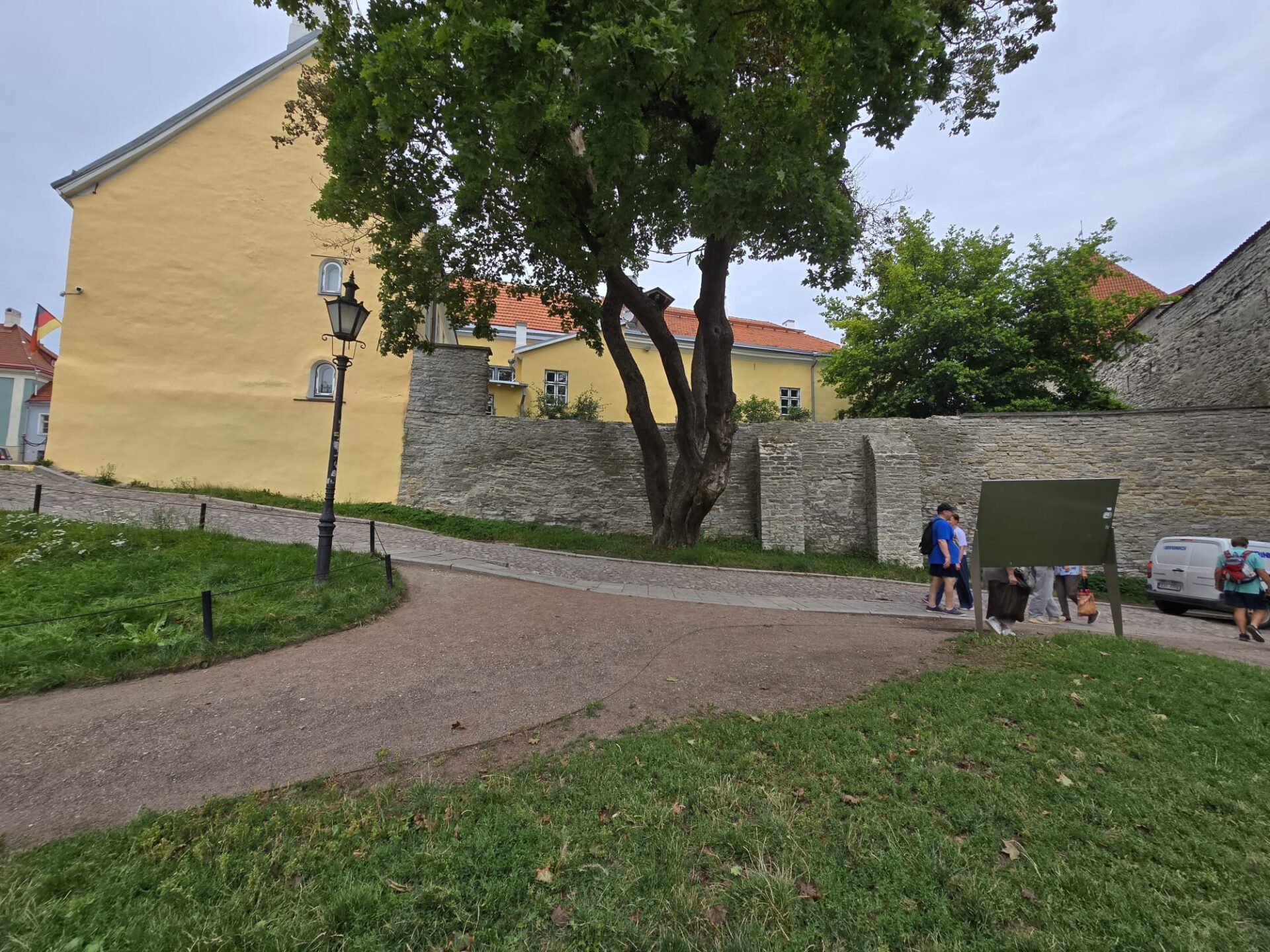
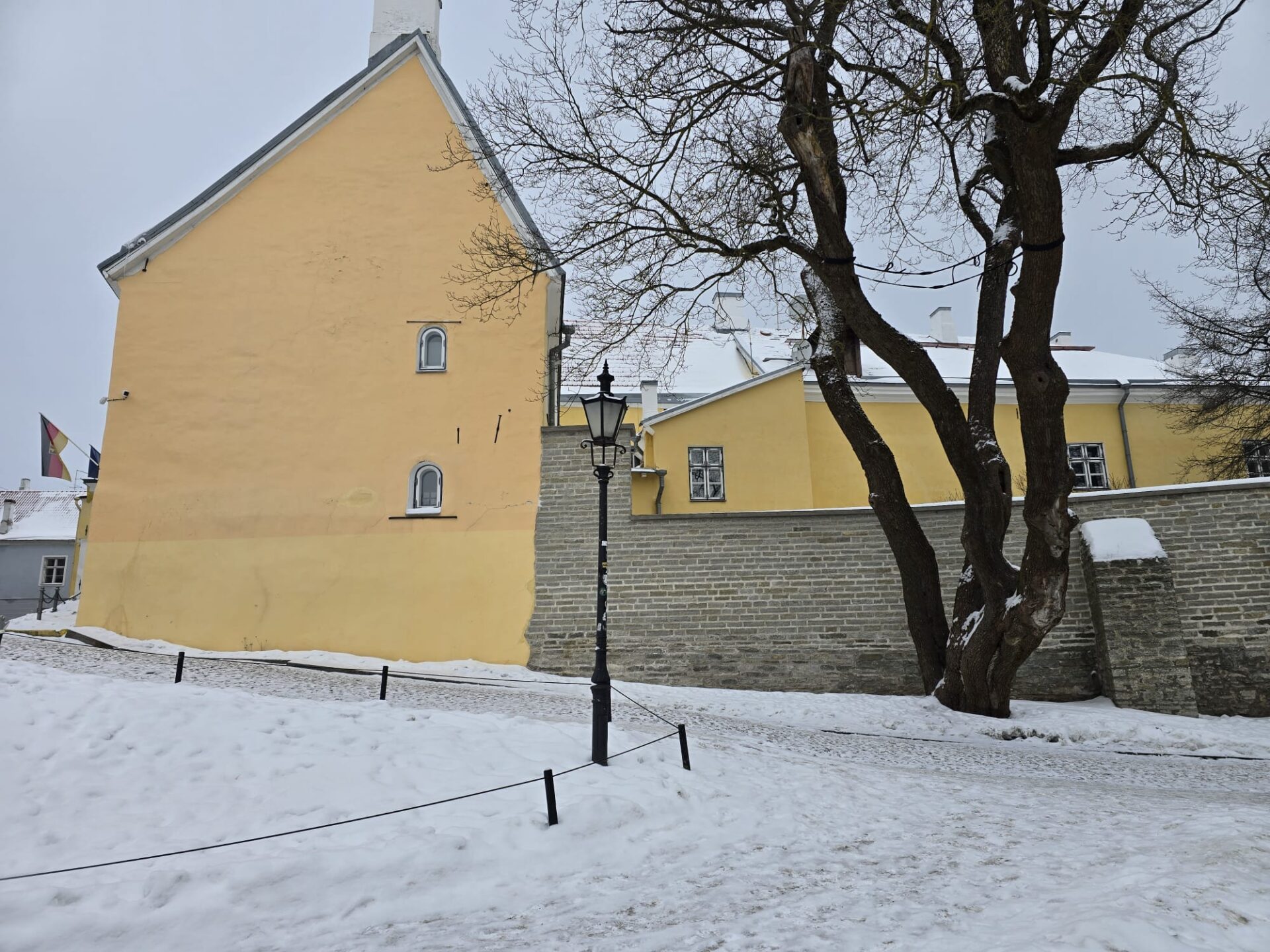
Alt text: Geopolymer injection for historic perimeter wall stabilization in Tallinn

Problem

The perimeter wall at Lossi plats 7 showed recurring cracks and inward deformation. Previous repairs had closed visible cracks, but the cracks reopened, showing that the underlying support problem had not been eliminated.

Cause

The wall stands in a historically complex area with old masonry remains, previous repairs, service crossings and highly variable fill soils. Weak and uneven support below the foundation caused differential movement. Local voids beneath the wall and foundation zone increased the risk of continued settlement and horizontal displacement.

Risk

  • Further reopening of cracks and continued inward movement of the wall.
  • Loss of support below restored masonry, reducing the durability of reconstruction works.
  • Higher collapse risk over time, especially if excavation or restoration works were carried out without first stabilizing the foundation support zone.

Solution

Geolift stabilized the foundation support zone using controlled injections of Geolift 1C Soil. The material was injected below the wall foundation and into detected voids to densify weak fill, fill cavities and create a more uniform load-transfer zone under the historic wall.

  • Injection was carried out along the wall line using approximately 40 injection points.
  • Drilling and injection were adapted to actual site conditions, including old masonry, voids and service-sensitive areas.
  • The method avoided long open trenches next to an already deformed historic wall, reducing disturbance to the surrounding heritage fabric.

Execution & Results

  • The injection layout was set out along the planned stabilization area before drilling began.
  • Geopolymer was injected in a controlled sequence beneath the foundation zone and into voids found during the works.
  • Structural response was monitored during injection to avoid unwanted uplift or reverse deformation.
  • The treated zone provided improved and more uniform support for the following wall restoration and reconstruction works.
  • The works were completed with minimal excavation and limited disruption in a constrained historic courtyard environment.

Benefits for the Client

  • Foundation support was improved before masonry restoration, reducing the risk of repeated cracking after reconstruction.
  • The low-disturbance method was suitable for a heritage site where open excavation would have increased structural and archaeological risk.
  • The works could be executed in a compact timeframe with limited site impact.
  • The solution addressed the root support problem, not only the visible symptoms on the masonry surface.

Get in touch for a free consultation!

"*" indicates required fields

This field is for validation purposes and should be left unchanged.
Drop files here or
Accepted file types: jpg, png, jpeg, pdf, Max. file size: 50 MB.